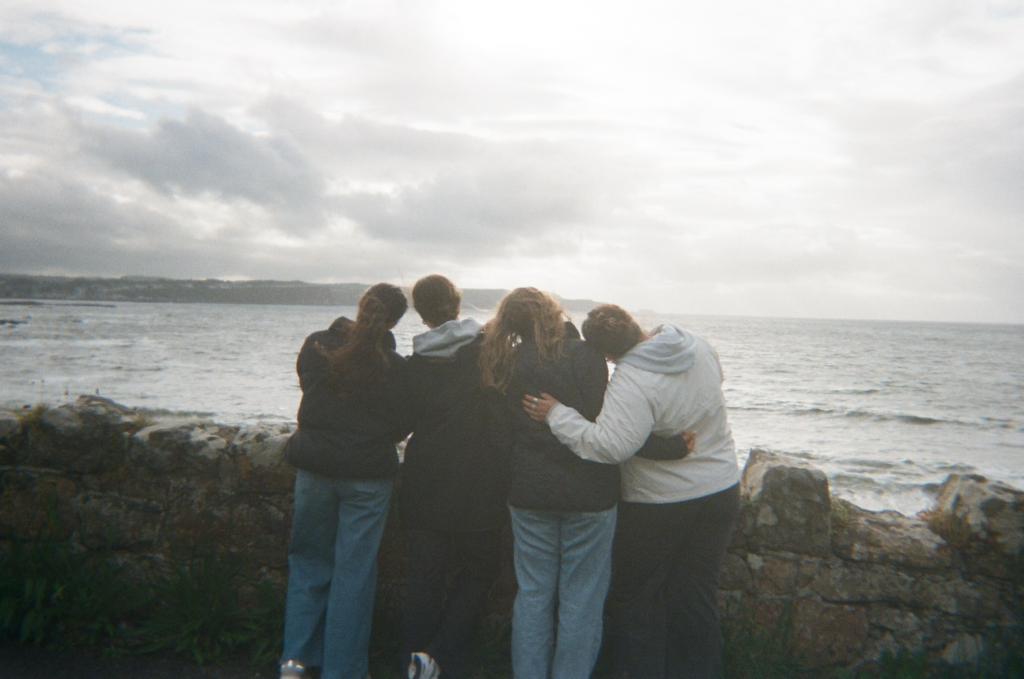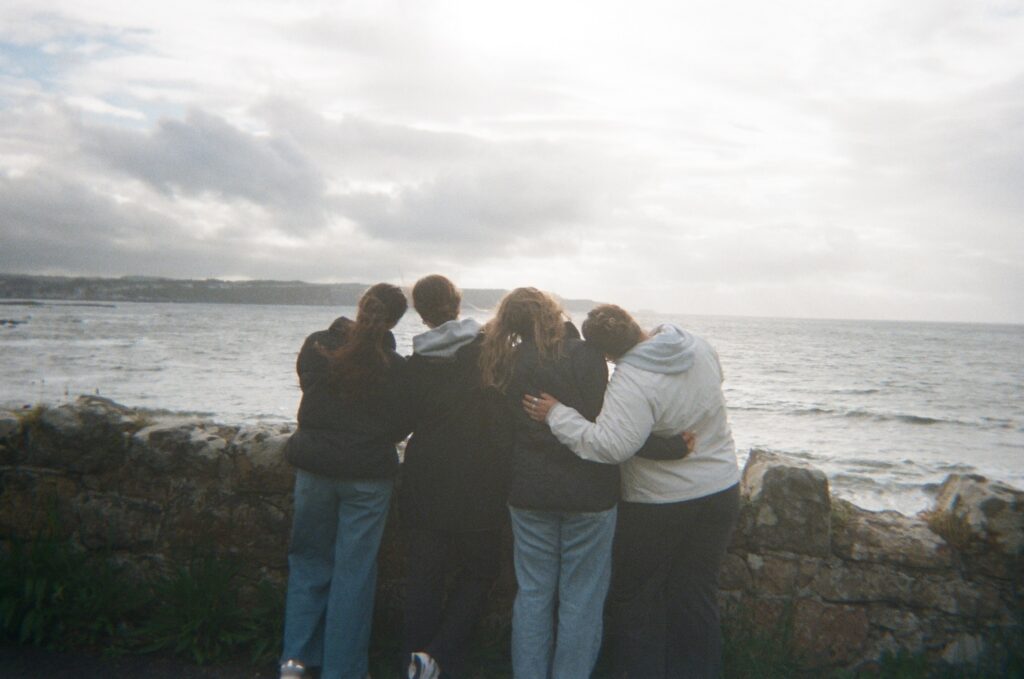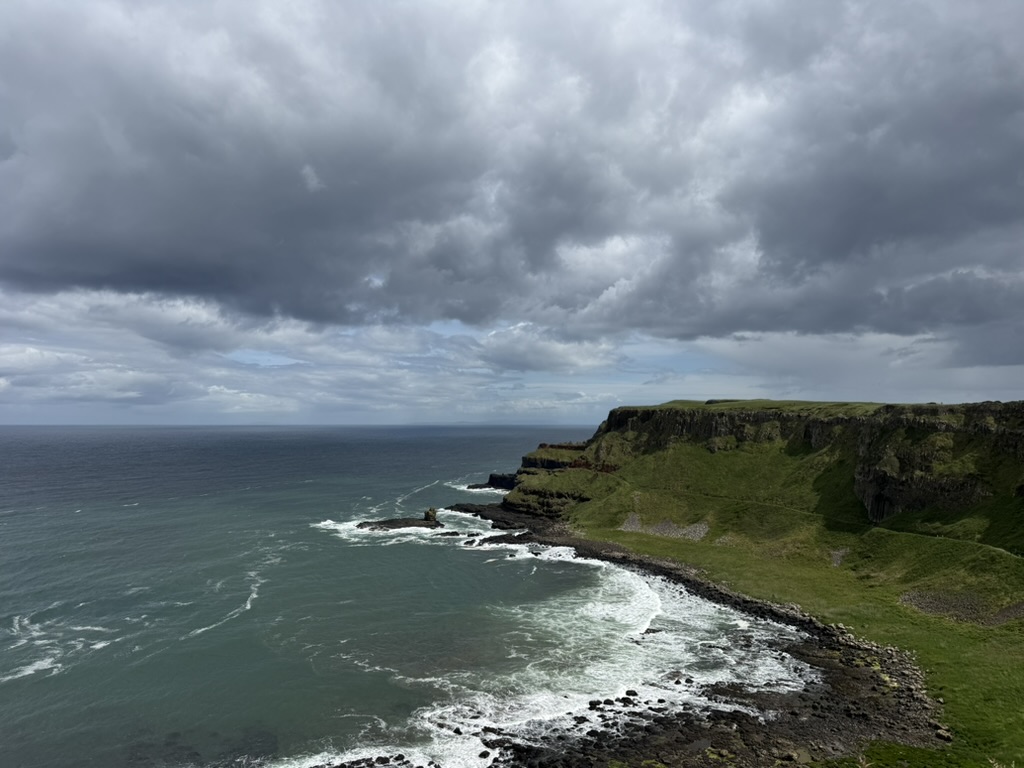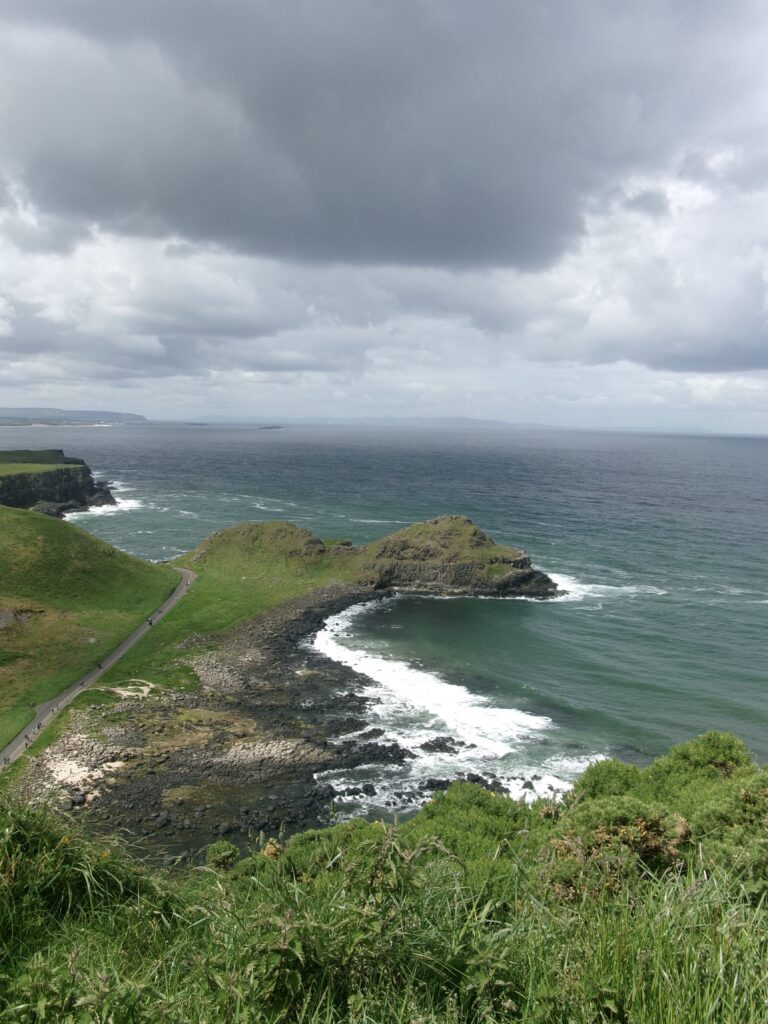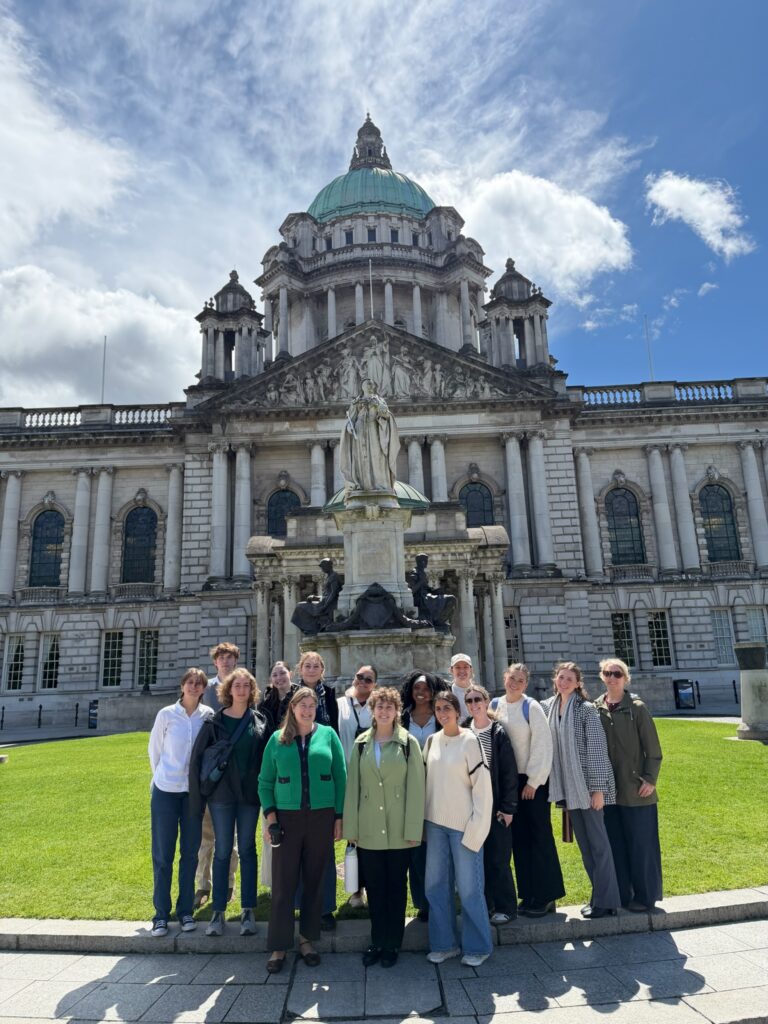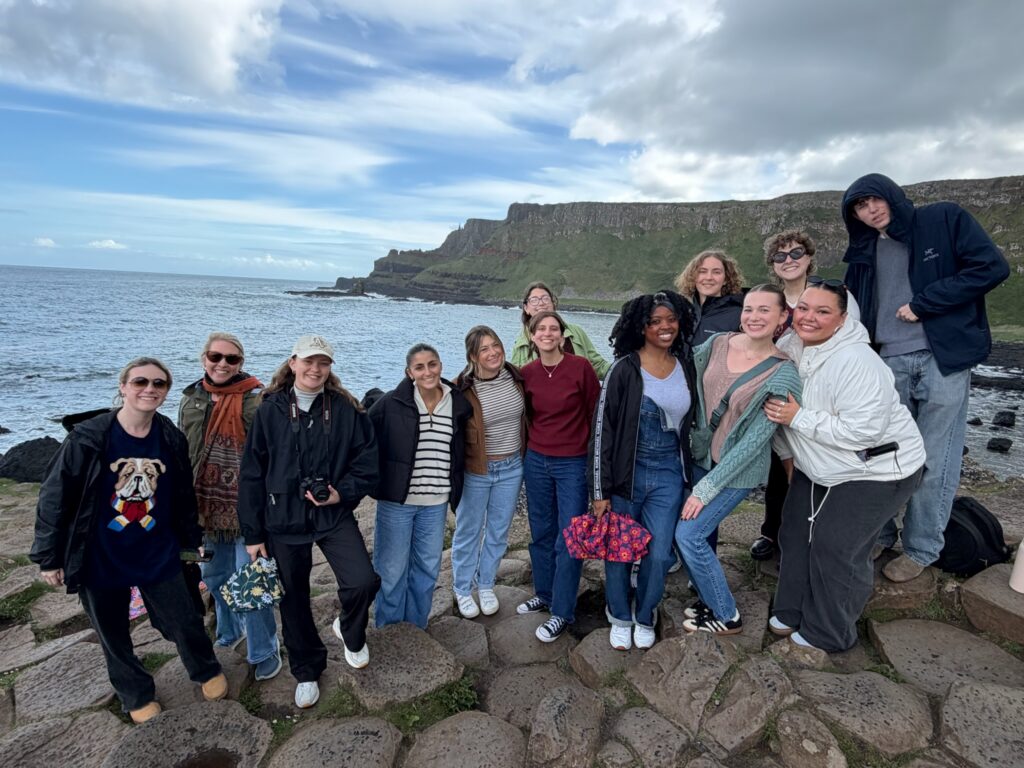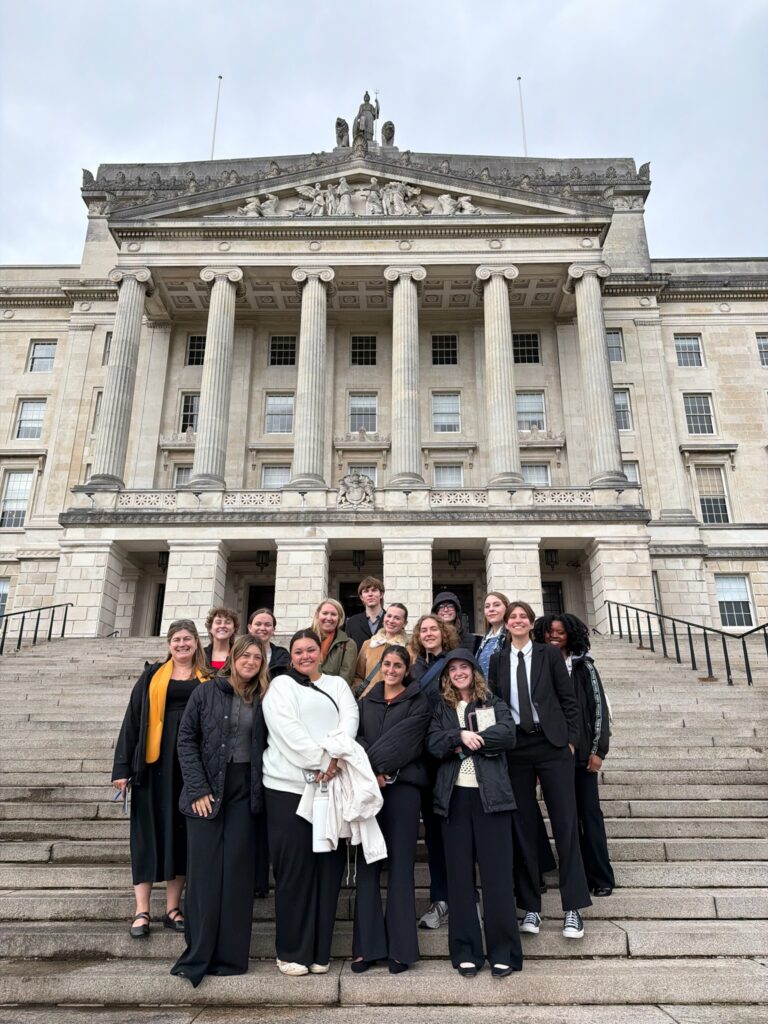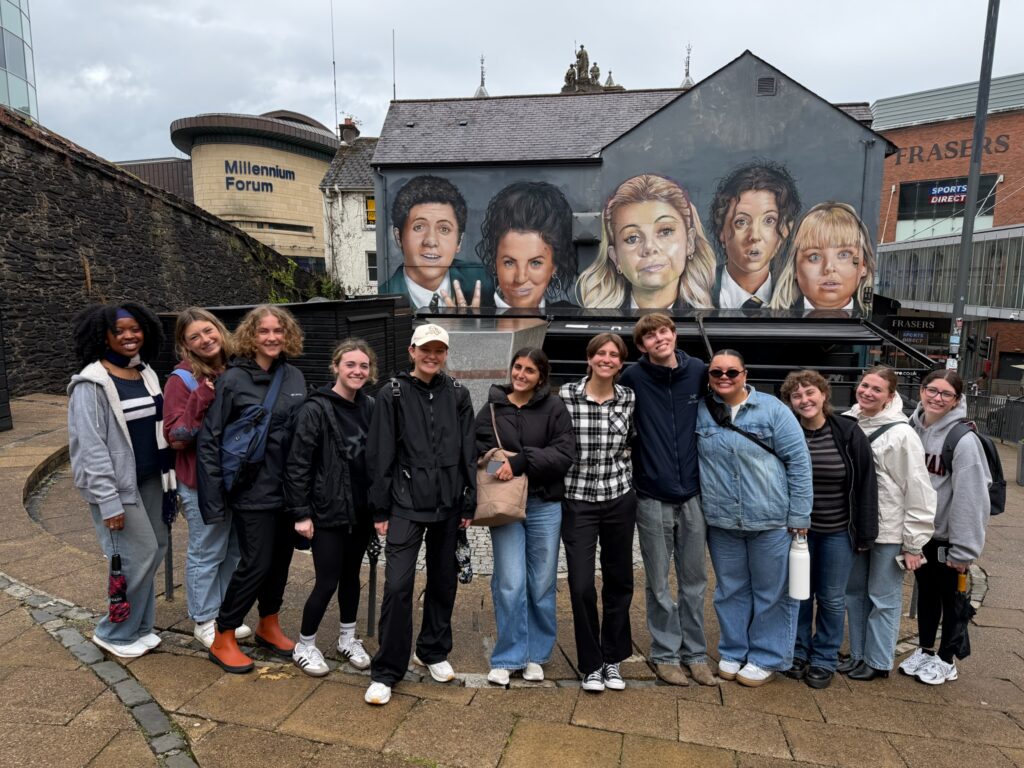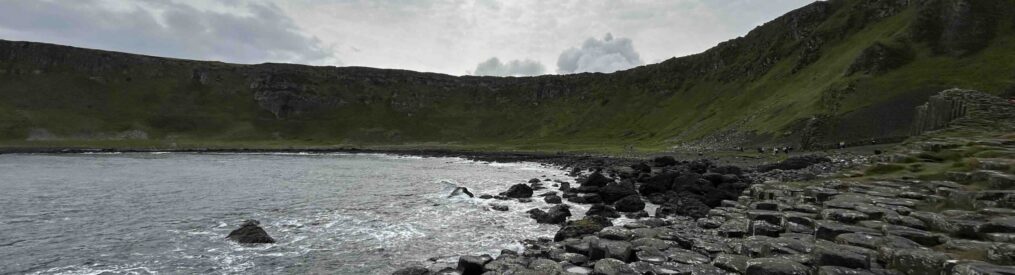
Going to a new country with nothing but my passport and the somewhat familiar faces of other students was daunting. I can now say that there was nothing to be afraid of. I gained so much knowledge and an entire new friend group out of this experience. This trip was transformative for me. I have never been so immersed in what I was learning, and can now understand why studying abroad is so life changing. I am now a graduate of Chapman University with a degree in Health Sciences, which is a completely different discipline than what this course focused on. That said, I learned so much during this travel course, and many of the lessons can be applied to my future career in healthcare.
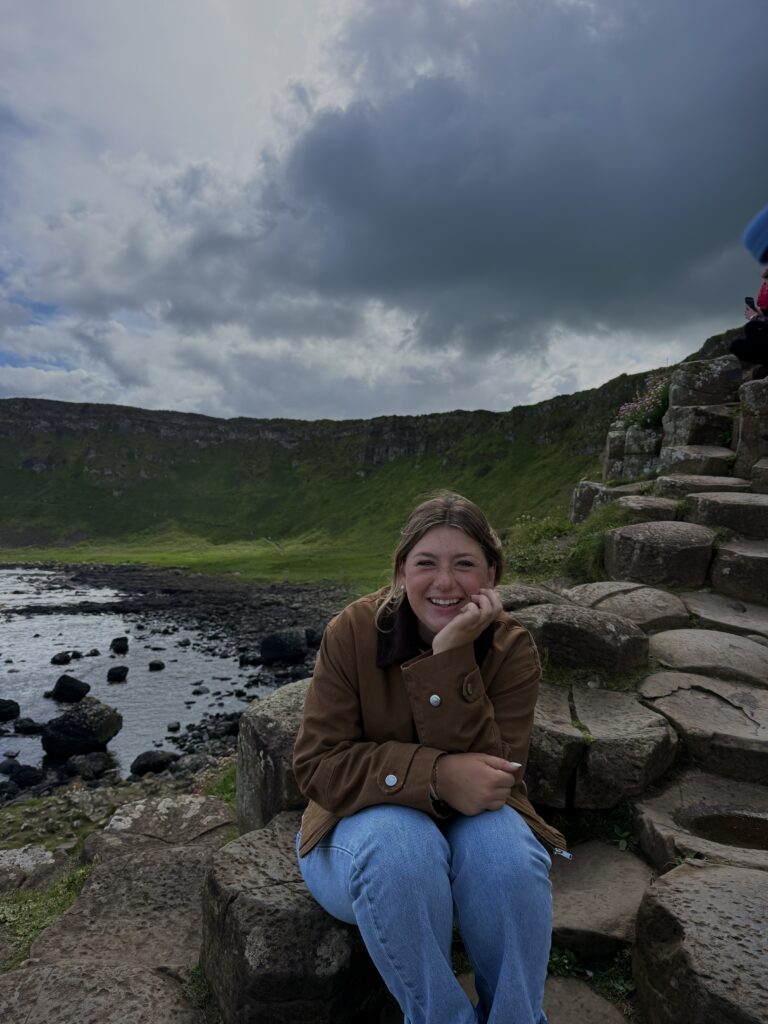
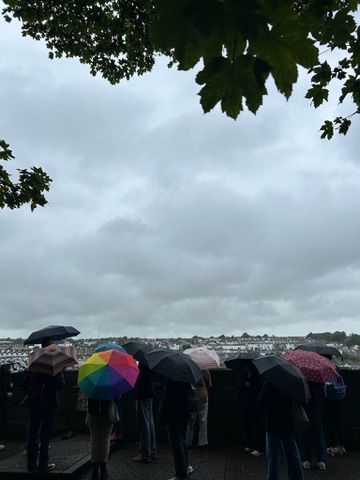
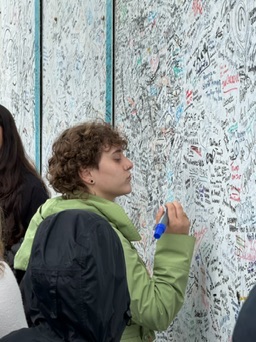
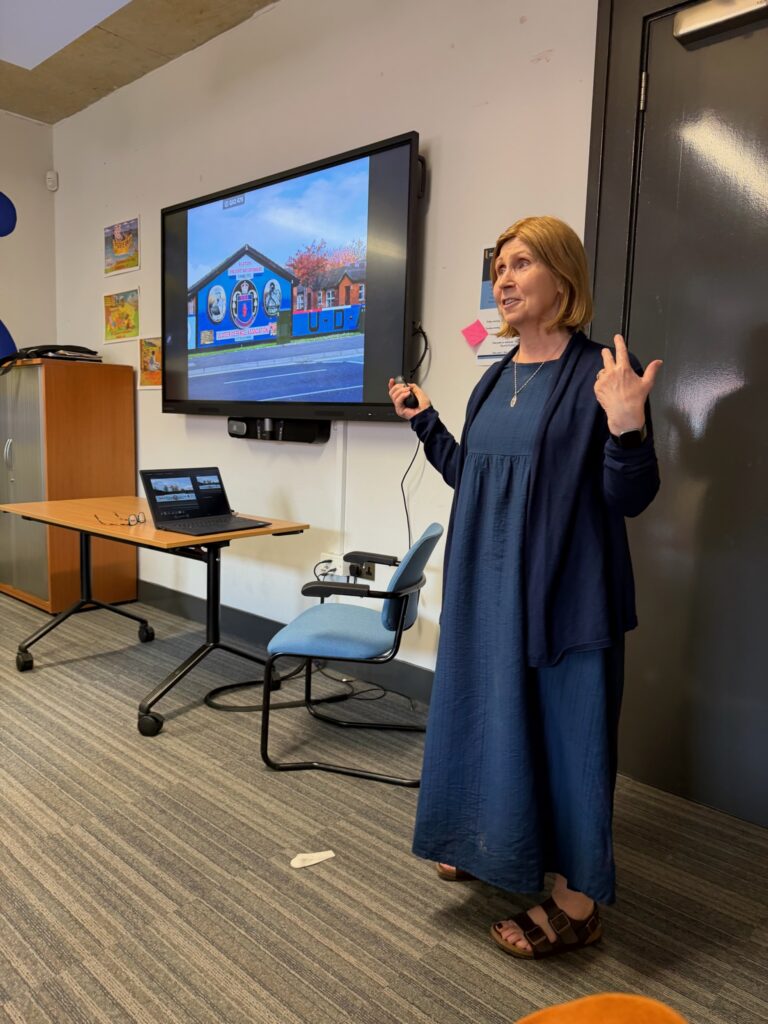
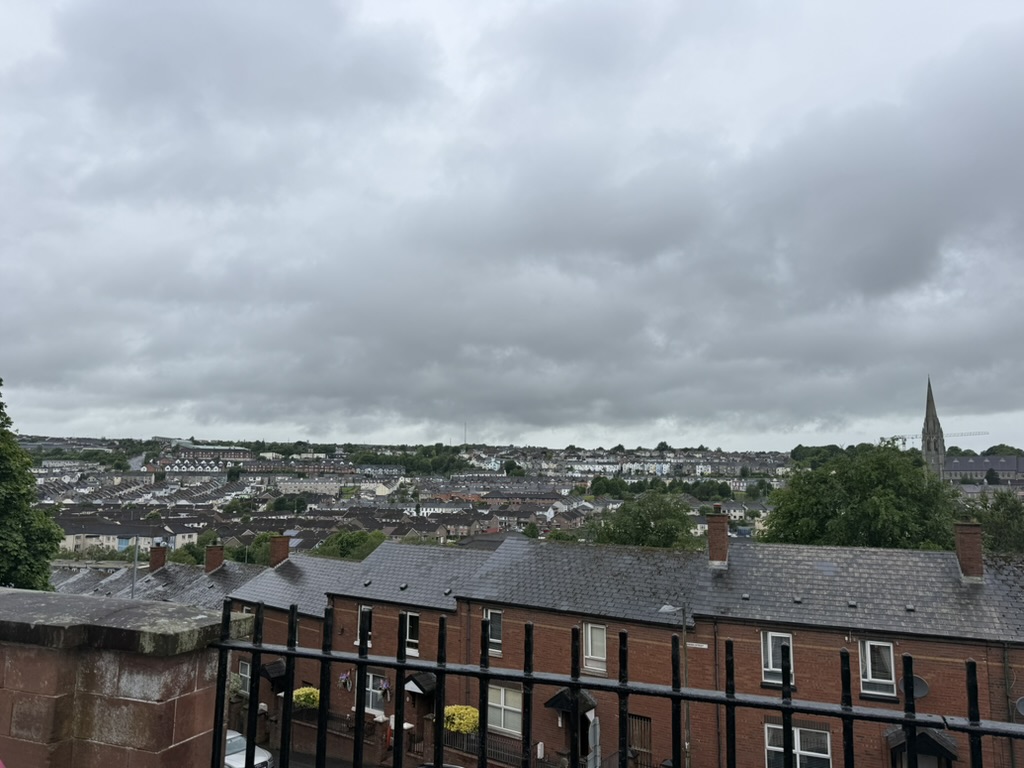
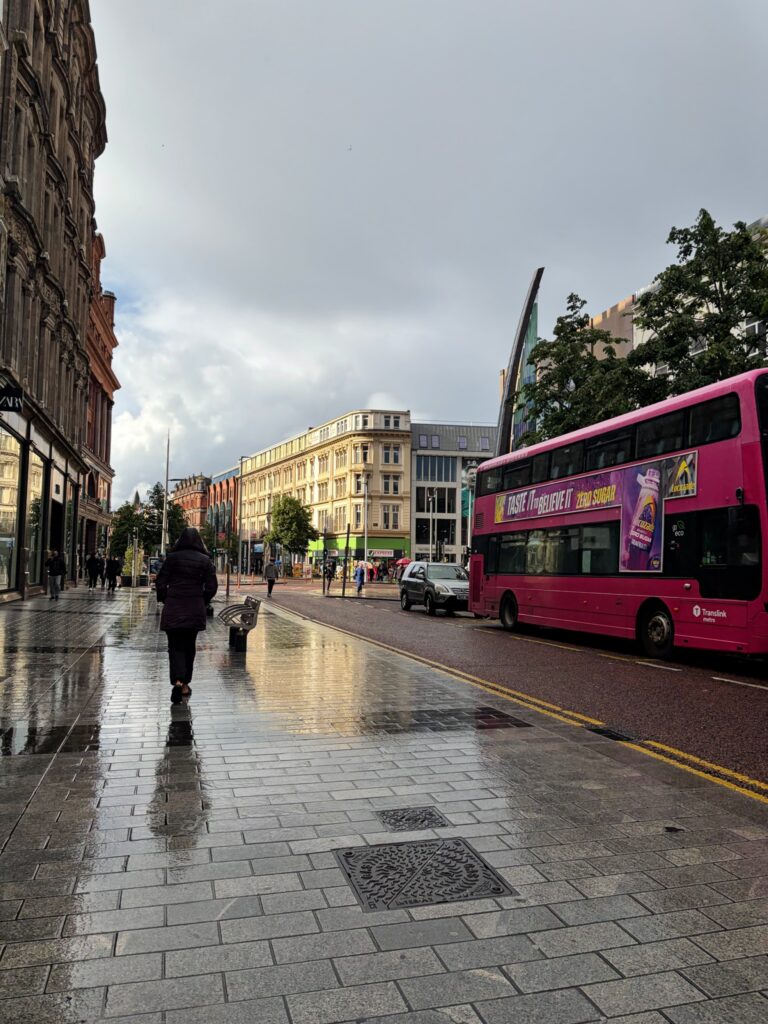
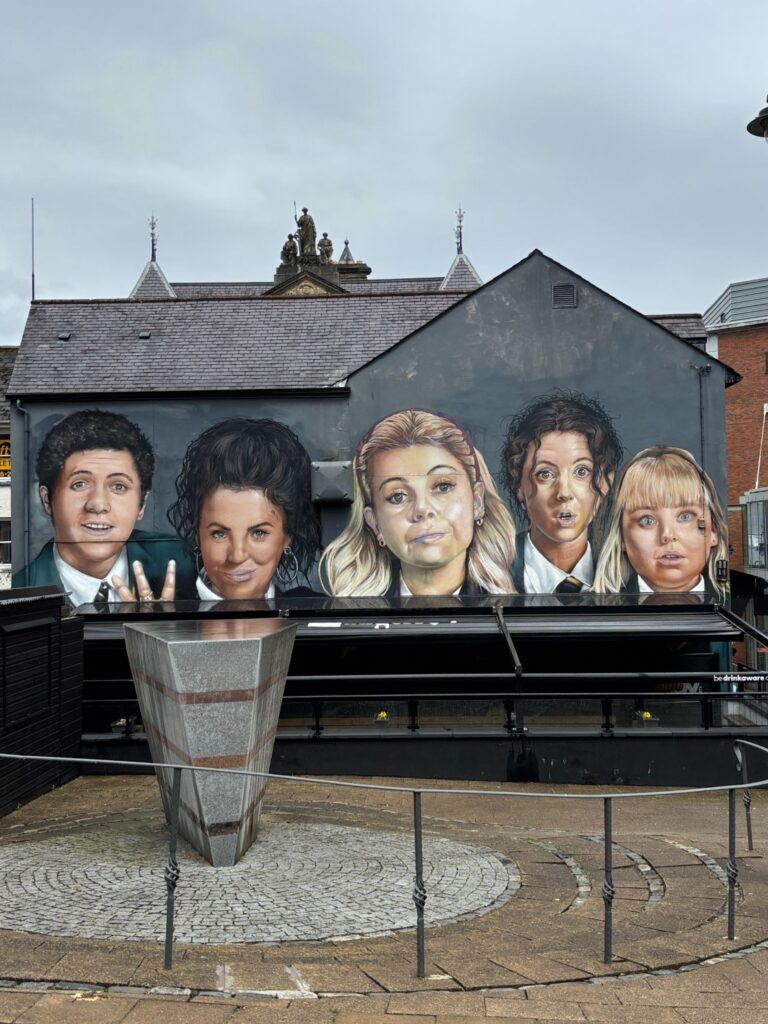
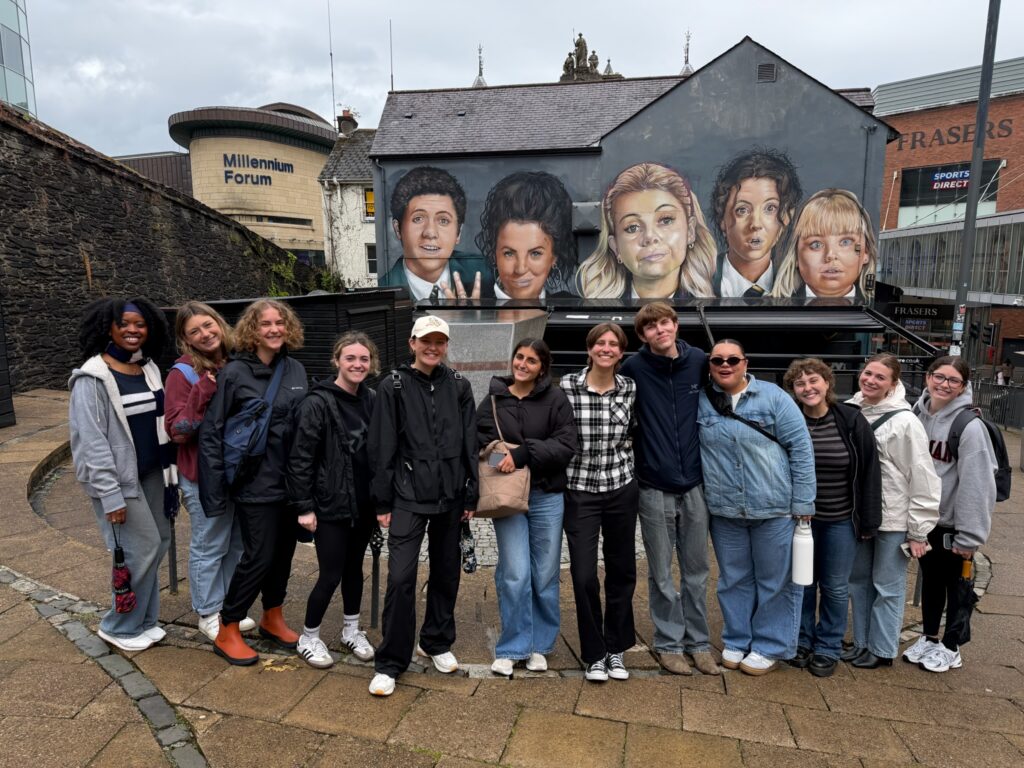
Before this trip I knew very little about Northern Ireland aside from the fact that there was a conflict between the Catholics and the Protestants. I had never learned about The Troubles and did not understand how fresh the wound was or how much the conflict still influences every day life. When walking through Belfast we saw the peace walls, the murals, and the neighborhoods that are still divided; all making the history feel so real. I realized that the conflict is not just something of the past but it is what continues to shape identities, politics, education and relationships today. Being physically in Northern Ireland while learning about it allowed me to see how a society can move towards peace whilst carrying the weight of its history on its back.
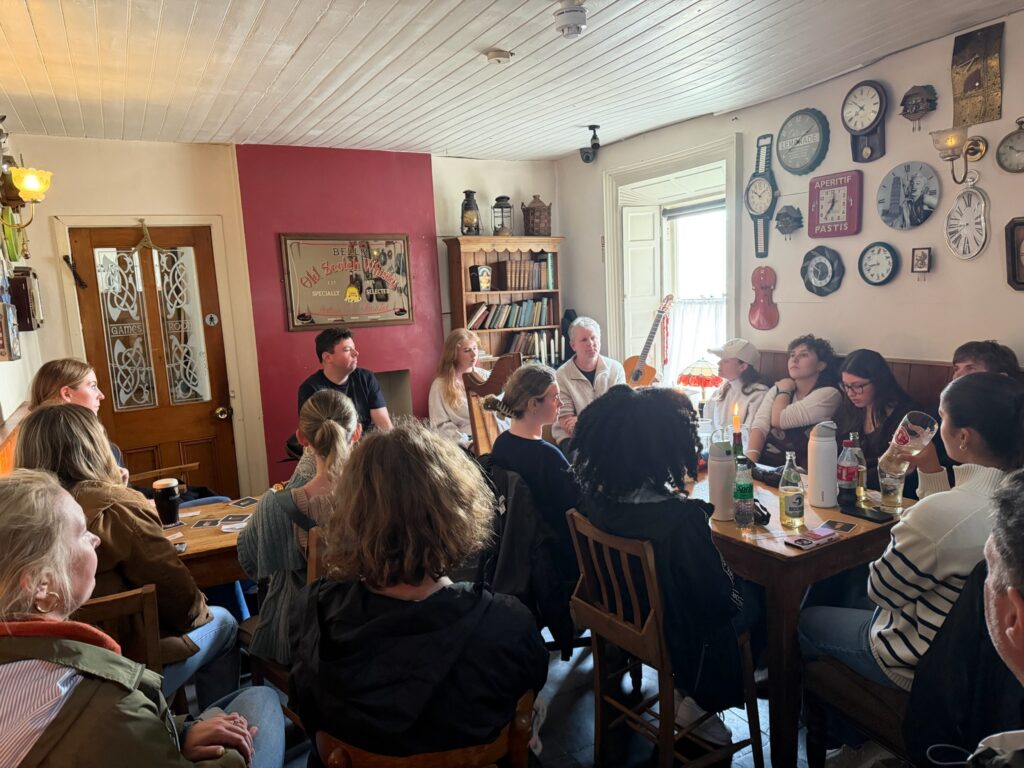
Northern Ireland is a place where violent conflict occurred for decades, and today its communities continue working towards peace and a united society. Hearing first hand accounts from those who lived through The Troubles gave me a deeper understanding of how communication can either divide people or rebuild relationships. One of the biggest lessons that I gained from this experience is that listening with empathy and trying to understand the other’s perspective is essential for creating a trusting relationship. The stories we were told, especially those that were centered around forgiveness, showed me that healing begins with difficult conversations and respect for one another.
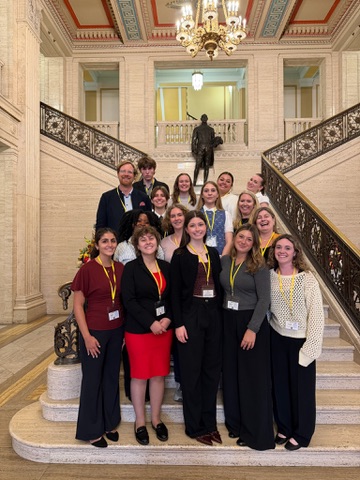
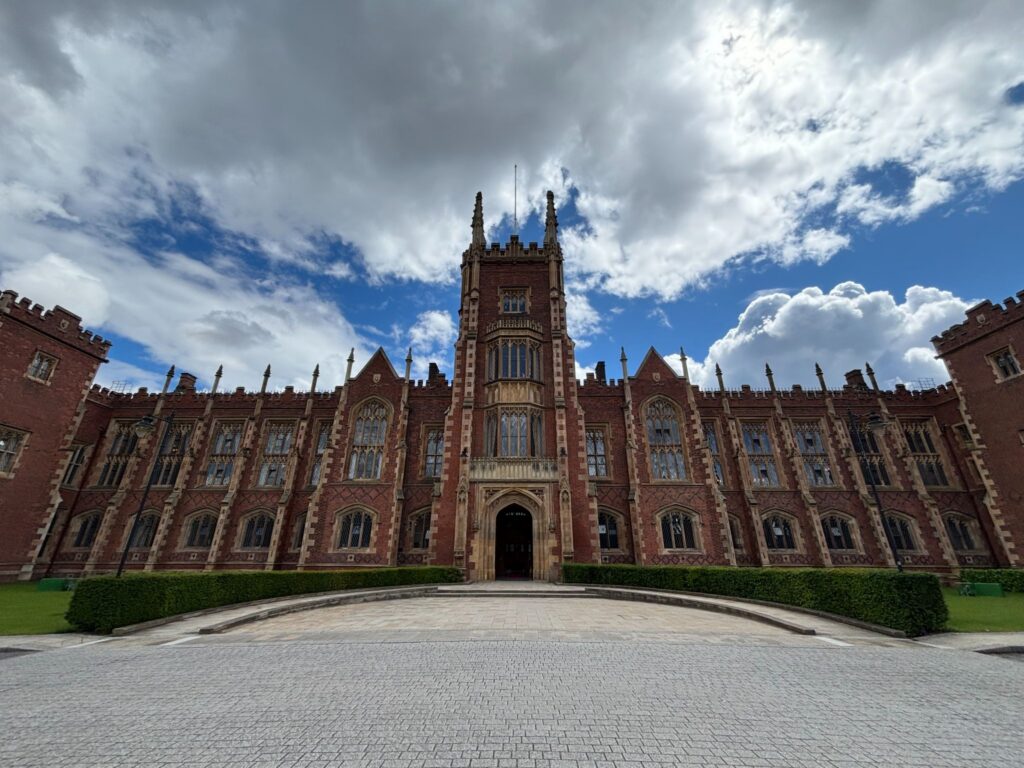
One conversation that resonated with me was with Kate Turner and Brendan at Ulster University. The conversation completely changed the way that I thought about peace building as it shifted the focus from political agreements to the importance of storytelling and memory. Kate talked about the “duty of care”. How artists and public figures must live up to this duty when telling stories about the conflict. Before our conversation at Ulster University I never considered how much power people have to shape the public’s memory through deciding whose voices are included and whose are left out. I also found the conversation about a “new Ireland” very interesting as it highlighted how younger generations are more concerned with issues like gender equality and social justice than the divide between Catholics and Protestants, however, the political identities still continue to influence society. It reminded me that peace is not just ending the violence but it is creating a shared vision for the future, something that is still difficult for many in Northern Ireland. Another important takeaway was the idea of narrative repair through museums and storytelling. We talked about how there are no museums dedicated to just the nonviolent voices throughout The Troubles, even though countless ordinary individuals contributed to peace through communication, compromise and coexistence. That idea challenged my assumption that peace can only be created by political leaders; it is built by individuals making small decisions every day. I also loved the conversation about gender, particularly how women have been portrayed in simplistic ways despite their complex roles throughout the conflict. How civilian masculinity is frequently overlooked in favor of the military narratives. Lastly, we learned about Healing Through Remembering, which reinforced that reconciliation is an ongoing process rather than something that ends with a peace agreement. The speakers emphasized that healing comes through dialogue, acknowledging multiple perspectives, and creating safe spaces where difficult conversations can happen instead of avoiding them.
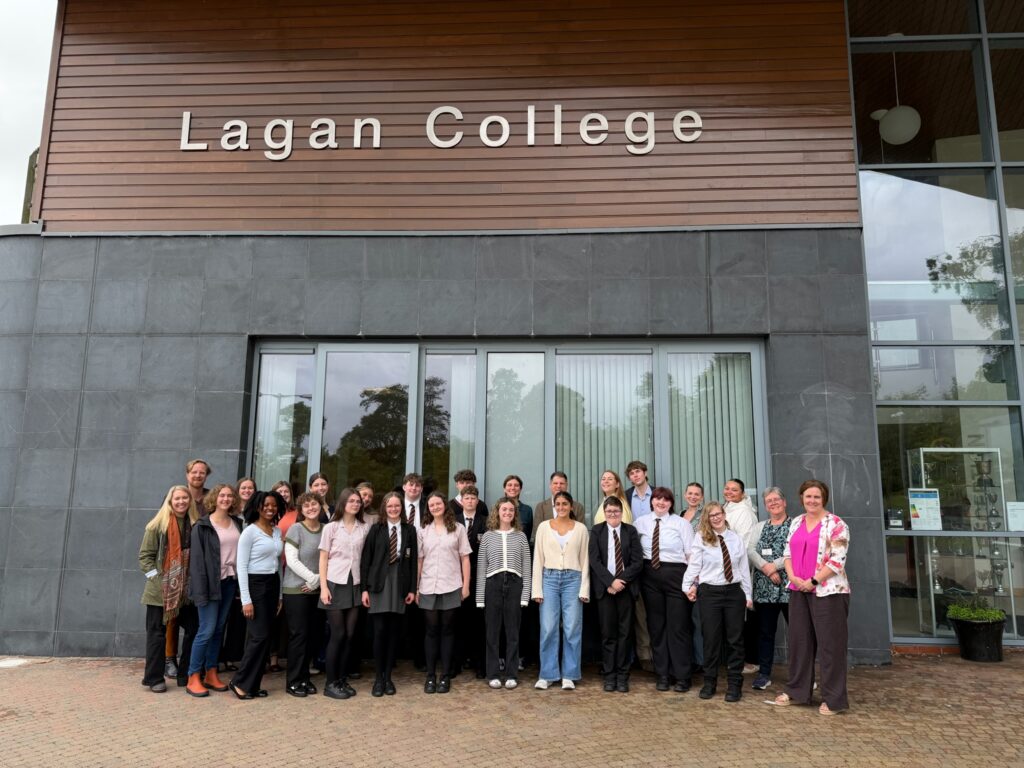
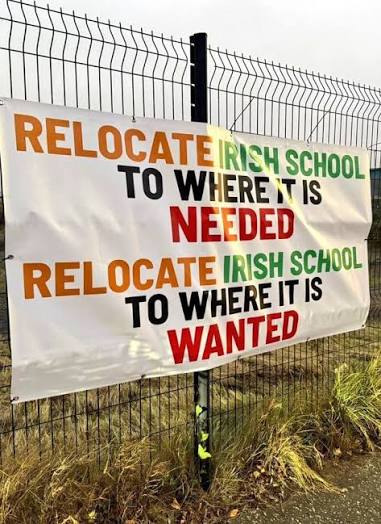
I also loved going to Lagan College and talking with the students. Hearing about what they want to do in life and understanding that within the integrated school their religion does not define them. One of the boys, Matthew, wants to be an engineer and work on cars. He talked about his project he is working on which is a lap table train set for kids to play with when in the car. These children are so brilliant and bright and have so much going for them. Their curriculum is determined by them with some required courses. I think it is amazing how well their school runs and I wish there were more integrated schools throughout Northern Ireland as right now there are only 8% of schools that are integrated.
Although my degree is in Health Sciences, I found myself constantly tying back what I learned in this course to healthcare. Communication is one of the most important skills in healthcare. Every patient has a unique background, set of beliefs, life experiences and fears that influence how they understand the world. Just like the people we met in Northern Ireland wanted their stories to be heard without judgement, patients also want their providers to listen with empathy and respect. This trip re-enstilled in me that listening is just as important as speaking. Sometimes the best thing you can do for someone is make them feel heard and valued.
I also noticed that trust is something that is earned. Throughout Northern Ireland, communities are still rebuilding trust after decades of violence and division. In healthcare, trust is just as essential. Patients are their most vulnerable, and they depend on healthcare professionals to communicate honestly and respectfully. I want to be someone who helps patients feel comfortable asking questions and expressing concerns. The lessons I learned about empathy, active listening and relationship building will stay with me throughout my career.
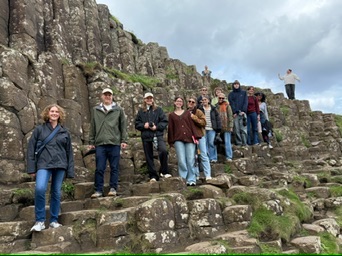
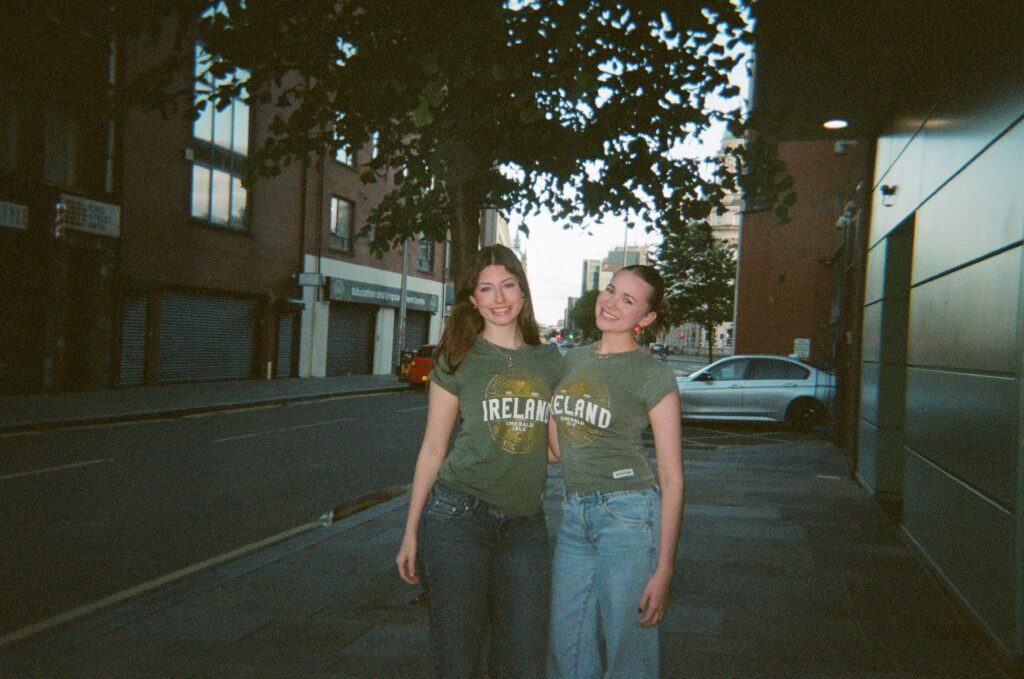
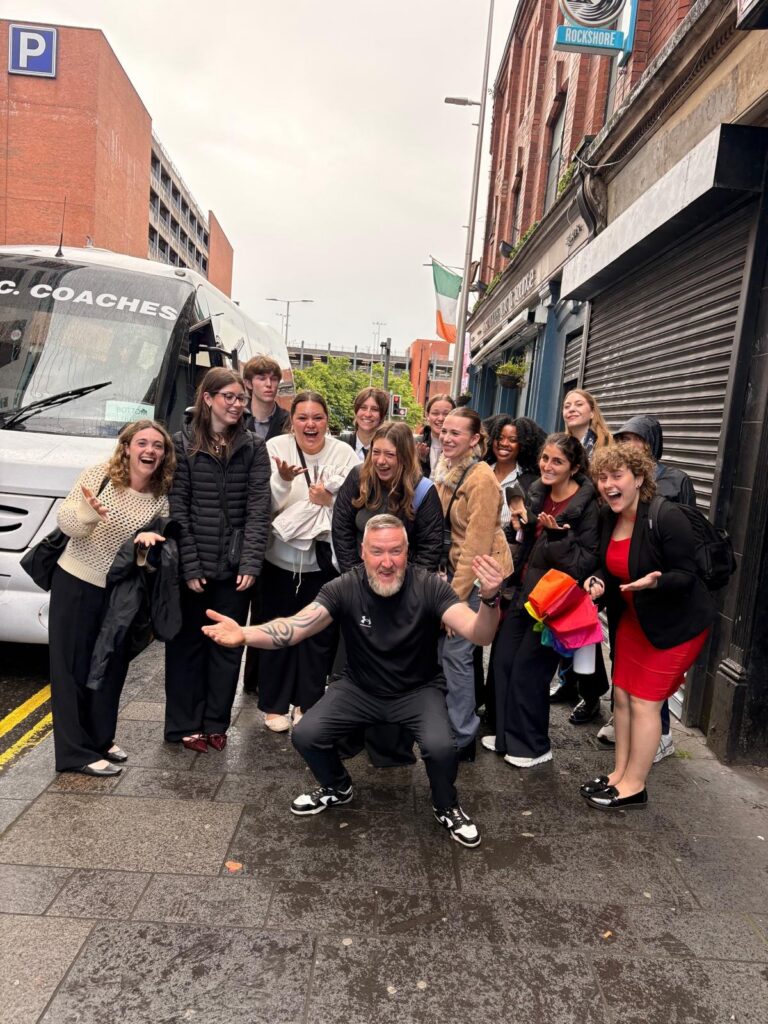
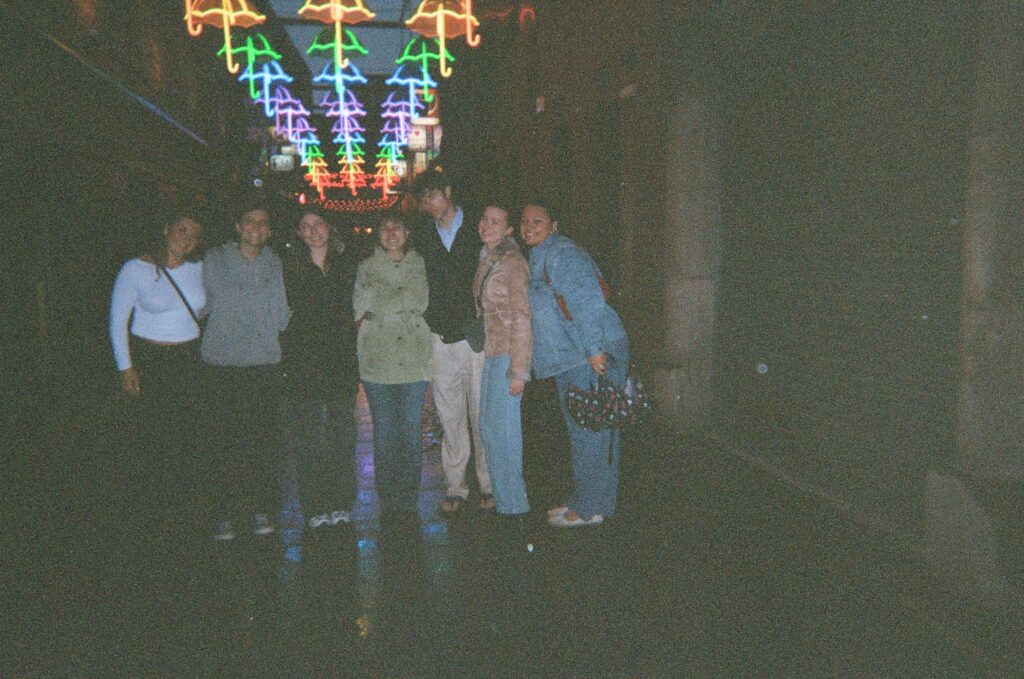
Beyond the academic lessons, this trip allowed me to grow personally. Traveling internationally for the first time pushed me outside of my comfort zone and made me more independent. I became more confident in navigating unfamiliar places, meeting new people, and adapting to situations I cannot control. I also formed meaningful friendships with classmates that would not have formed if we had remained on campus. The long bus rides, meals, tours and conversations created memories that I will have long after graduation from Chapman.
Looking back, this study abroad course was one of the most valuable parts of my college education. It taught me lessons that could never have been fully understood inside a classroom. Northern Ireland showed me that communication has the power to divide people, but it also has the power to heal and create long lasting peace. As I begin my career in healthcare, I will take these lessons with me. This trip not only changed my understanding of Northern Ireland but also changed the way I think about relationships, communication and the kind of person I hope to become.