Northern Ireland’s Impact: Leia’s Reflection

This trip heavily impacted my perspective on peace building efforts and individual actions. To be immersed in the communities that were impacted by the Troubles and see the work different organizations and people are doing to improve the lives of others was fascinating. Talking to former combatants and others who lost a loved one or friend because of the fighting was really transformational in my learning, as well. It is very different learning about the conflict from readings or class lessons and hearing it directly from the people who were there and witnessed it themselves. It also added to my deep understanding of a conflict with so much nuance because I was able to ask the speakers questions after different points and information were presented. While this comes with biases, it was still vital to my engagement and understanding. It was also important to recognize the different biases people may have brought into discussions based on their backgrounds and experiences. At times it was interesting to engage with people who had quite opposite views from what was expected of them based on their background and upbringing. This really demonstrated to me that access to education, spaces of open dialogue, and active listening practices were extremely transformative for a lot of people in the post-conflict world. Without the opportunity to engage with people different from themselves, there would be no way for them to challenge stereotypes and narratives from the past. Since these spaces and lessons have been promoted, Northern Ireland can move forward into a more holistically inclusive environment and region. 

With that being said, one of the hardest parts for me during this trip was how heavily Northern Ireland is presented as a successful peace process. I mean this in the sense that there is still division and segregation throughout the communities and incredible divisions across many social sectors. In learning about the histories of the area and possible reasons for the conflict, it is interesting to hear that the present situation was agreed upon. I understand after 30 years of conflict, peace and an end to fighting is most desirable, but it still makes me question the system and decisions. A lot of the peace-building mechanisms have not been implemented until recently, because there was no outline of how to do so. This makes me feel that a lot of the work has been overlooked and deprioritized. There are issues that need to be addressed and have been long brushed under the rug. At the end of the day, it is nice to see the ways the peace process has helped the younger generations live without constant conflict and in greater harmony with each other. But there is always room to grow. There are so much hope and joy for the future of the region, and I felt that in our interactions in Northern Ireland. The next step is implementing this change and peace for that better future. 

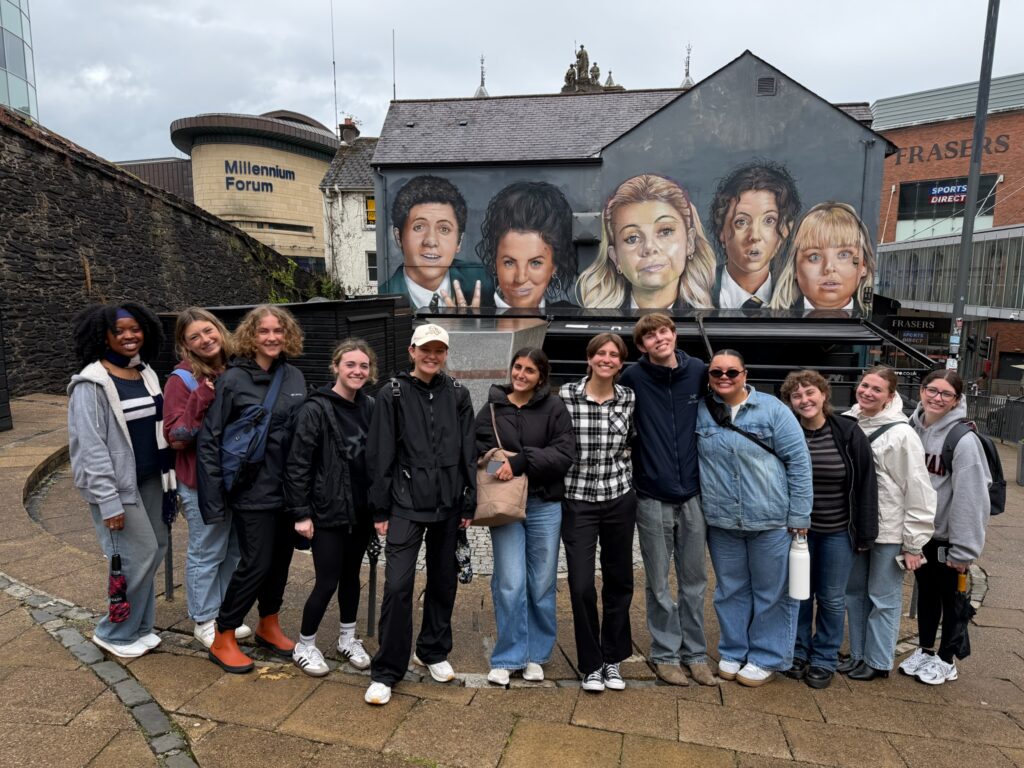
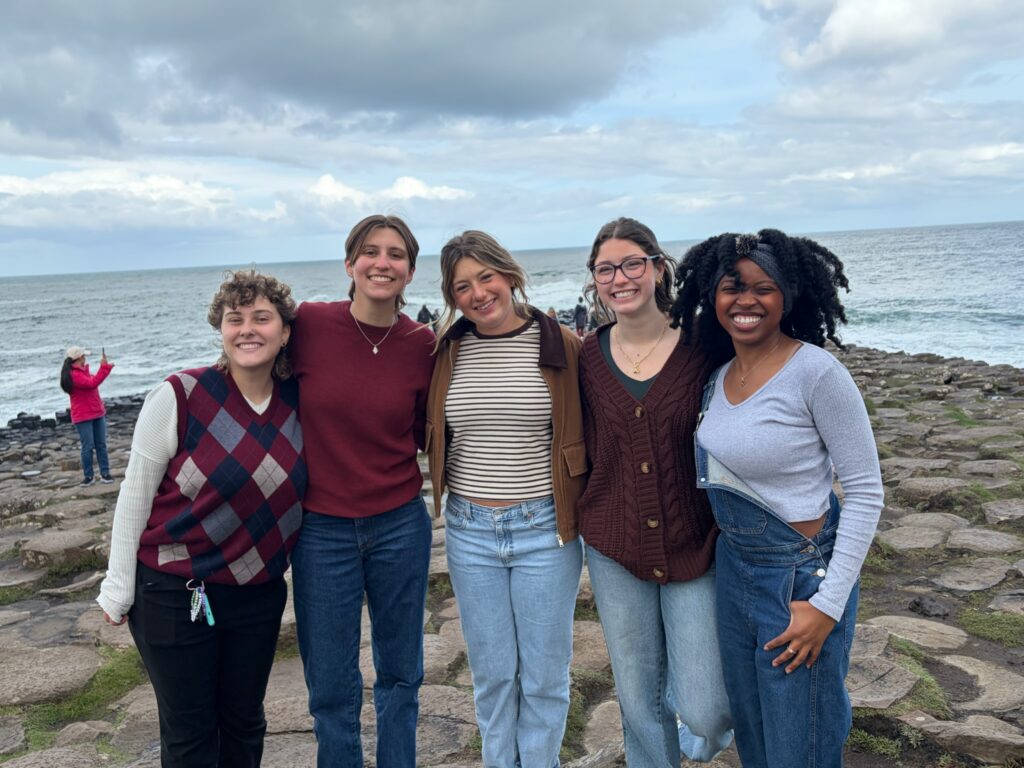
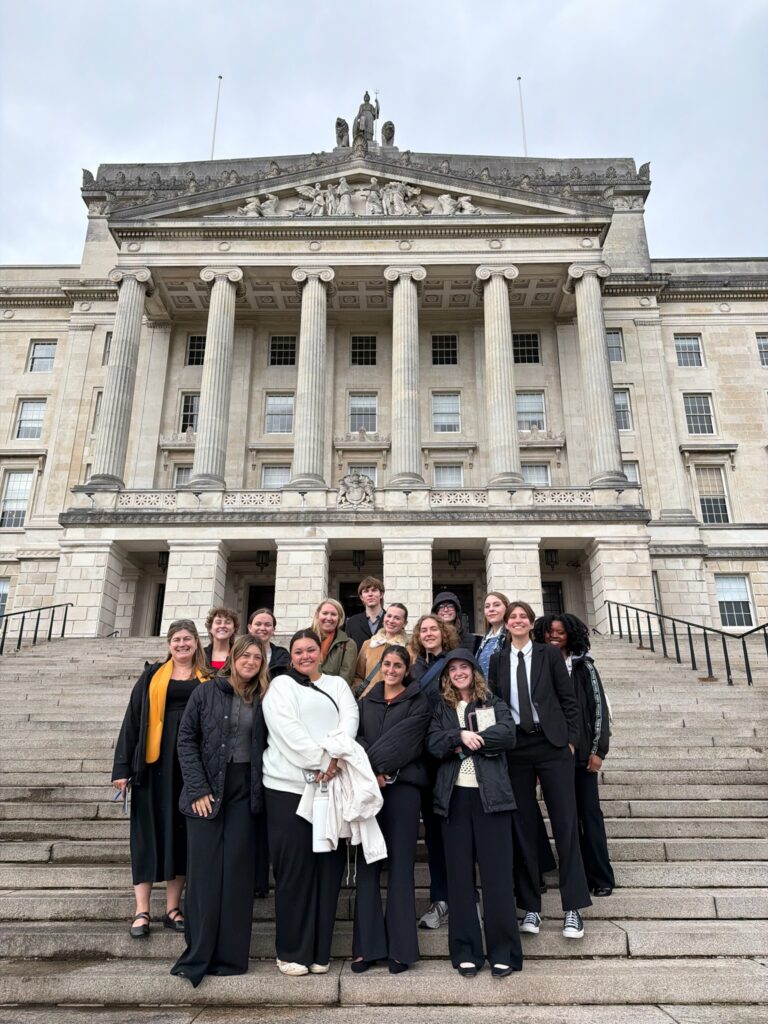
As for myself, I took away a new motivation for peace work and community building. I have always had a desire and passion to help others and aspire to be a lawyer someday. Yet, at times I have felt there are no resources or places I can effectively help make change in my communities. Throughout our conversations and time in Northern Ireland, I learned that there is always an opportunity to make change. Either you have to search more intentionally for this information, or you can make the resource yourself. There is no stopping one’s desire for change making, and I should not let the lack of accessible resources stop me from working in my communities. I am excited to take this motivation with me into areas of passion and continue making change. This is just the beginning for me, and I am ecstatic to see what the future holds. I am thankful for this perspective and all of my time learning and growing in Northern Ireland. Being able to explore a new place with people who became very close friends was unforgettably fun. I truly feel that this experience is like none other and will always be grateful for this opportunity. I have inserted a few groups pictures below from throughout our trip. These pictures are from some of my favorite places and experiences. Thank you to everyone that made this trip so special!
June 4th – Corrymeela

On June 4th, the group got to visit and stay at Corrymeela, a peace and reconciliation community in the outskirts of Northern Ireland. The experiences from Corrymeela were transformational for the group and my own perspective on conflict and the pathway to peace. Our time spent in Corrymeela was perfectly placed about halfway through our time in Northern Ireland and forced the group to more deeply consider what the peace process looks like and could feel like. 

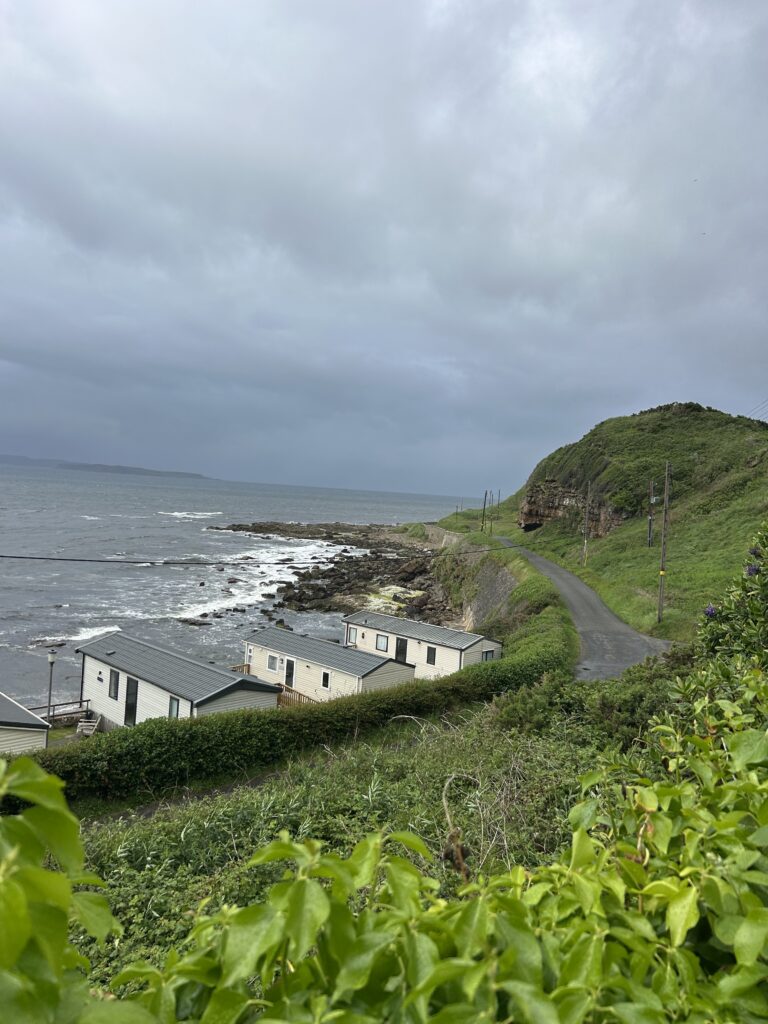
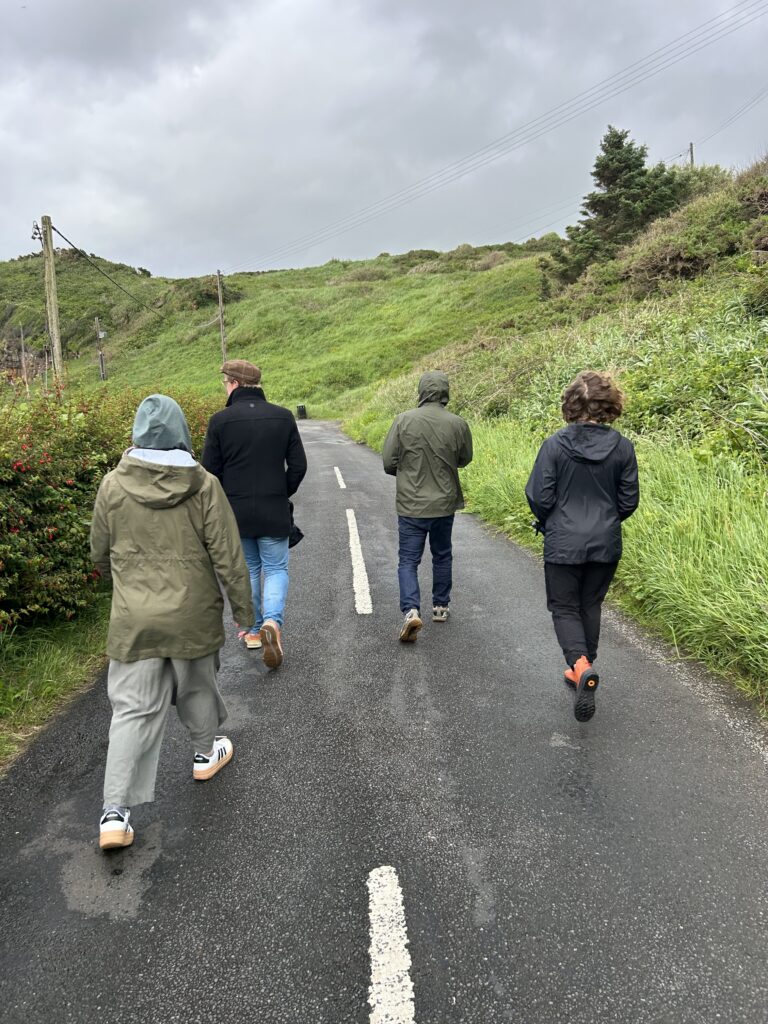
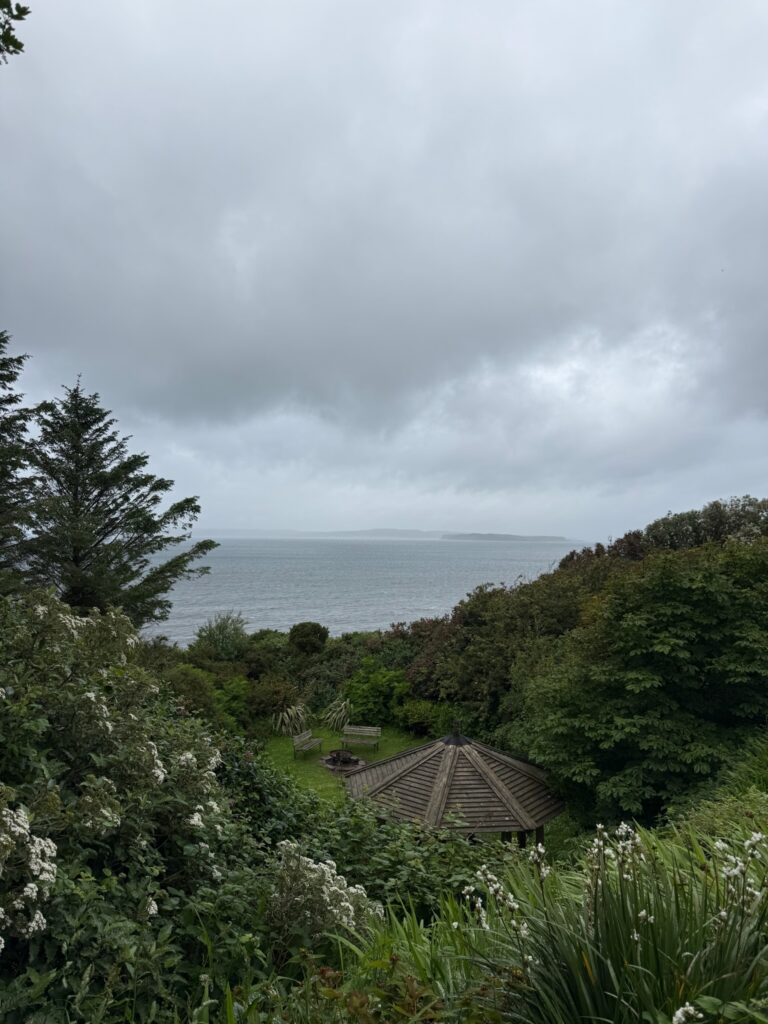
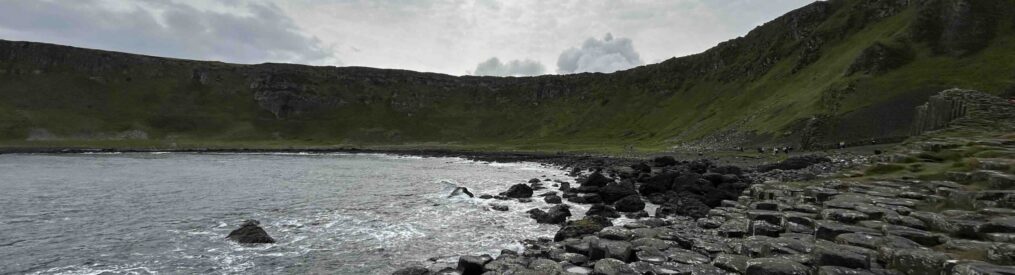
Quickly, the group noticed the unfathomable beauty of the area along the cliffs of Northern Ireland. Amazed by the beauty, we took some time to ourselves to explore the area and take in the landscapes. Little did we know, the placement of this space was completely intentional not only because of the beauty, but also because of the isolation it has from city life, and at the time, the conflict occurring across Northern Ireland. As the day went on, the group learned more and more about the intentionality of those staying at and working at Corrymeela. In introducing ourselves, we each stood and gave our names and the backstory and history of them, if we knew it. As Iulia, one of the leaders at Corrymeela, noted, this is a time for each person to tell others exactly as much or as little as they want to about themselves and are listened to wholeheartedly. Each person is valued for their story. This further promotes the community aspect at Corrymeela. Nearly everything is community centered and focused. This environment and communal feeling is something Corrymeela’s staff emphasize and what has made them such a successful space for open dialogue and trust building. 

Photo taken by Vic Bullard (6/4)

Photo taken by Leia Fidel (6/4)

Photo taken by Uche Nwadiashi (6/4)

This idea of trust and conversation was emphasized and actualized later that day when we played a game called Red, Blue, Green. As we were split up into two groups, we each strategized ways to effectively play the game and win but not necessarily beat the other team. Despite each team having the same goal in mind, to win, the ways they went about it were different, and the conversations within the teams were complex. Some people took more charge than others, and at times there was intergroup conflict on what color to choose each round and assumptions about the other group. In the end, both groups tied, which means both sides won since the numbers were both positive. Although we didn’t realize it at the time, this game helped emphasize the struggles of the reconciliation process and trust and community building. Our class went into this game as a close-knit group who had inherent trust in each other anyways and still mistrusted each other and questioned the other groups behaviors. Yet, we were never in a 30-year conflict with each other, nor had villainized one another. 

Photo taken by Leia Fidel (6/4)

As David Bloomfield mentions in his handbook, Reconciliation After Violent Conflict, reaching peace and reconciling is different for everyone, but open dialogue is vital (2003). Going through this trust demanding game as a unit, we relied on the opportunities to converse with the other group to determine our course of action. During times of conflict this trust and opportunities for open dialogue are not always as easily accessible or reliable. Yet, Corrymeela played an active and important role in the peace conversations had between paramilitary organizations and other actors in the conflict. With their physical isolation, these participants were able to disengage with the conflict plaguing their everyday life and lean further into having conversations with the ‘other side’. Hearing and understanding each other is the first step in effective dialogue and peace building (Bloomfield, 2003). 

Photo taken by Grace Granger (6/4)

While having the space to have these conversations, upon leaving Corrymeela the real test began to see if either side was genuine in their promises. This is something the two teams struggled with while we played Red, Blue, Green. After making a promise to only play red for the remainder of the game, one team played green, which didn’t hurt either side, but helped that team. This required the other team to decide if they should continue trusting them or take their shift in action as a break in trust and hostile move. This demonstrates the fragility of trust and often conditionality of trust. As Iulia pointed out in our post-game discussion, the most commonly used word is “they” because each group is focused on what the other one is doing, thus questioning the strength of their trust in each other to begin with. If both sides are sitting there questioning the other side and their possible actions, the trust is already significantly lacking. Despite our game being a very small comparison to the peace conversations actually occurring and the process to peace and reconciliation, it helped all of us to recognize how difficult and nuanced the conversations would’ve been and how impressive it is that the peace present in Northern Ireland today was able to be agreed upon. Bloomfield also notes how some restructuring can be significant to community’s post conflict, which has been demonstrated through the Belfast Agreement and subsequent action by the government and people in Northern Ireland. 

Photo taken by Claire Santo (6/4)

Overall, the peace process and reconciliation efforts in Northern Ireland are unbelievable, but also bring a sense of hope and reassurance to the conflict-ridden world we live in. Oftentimes, conversation is overlooked in times of conflict, but as Declan Murphy, an Armagh politician, noted, “wars are often not won on the battlefield” (2026). The experiences at Corrymeela, and their emphasis on community and listening, helped our small group bond and trust each other more, while also being as effective in larger spaces with more tension ridden groups. Places such as these make peace processes possible and the end of conflicts more desirable than the opposite.  

References:

Bloodfield, David, Teresa Barnes, and Luc Huyse (2003). Reconciliation After Violent Conflict: A

Handbook. International Institute for Democracy and Electoral Assistance

Gullion, Slieve (2026). Cllr. Declan Murphy. Sinn Féin.

Picu, Iulia (2026). Corrymeela Community.