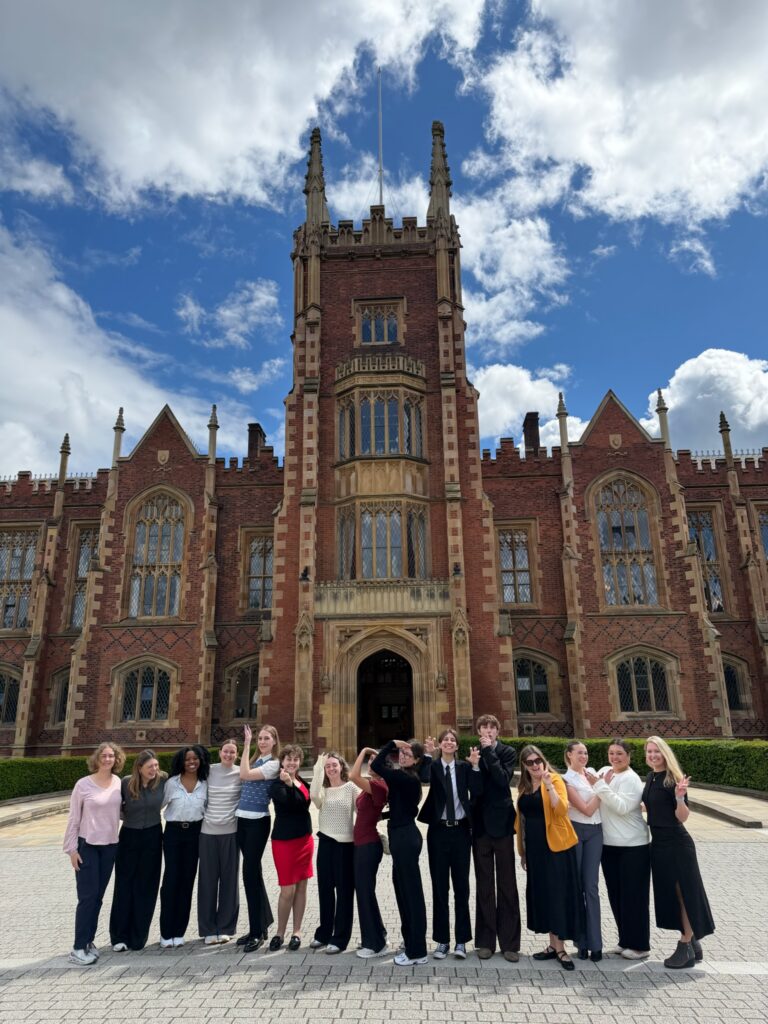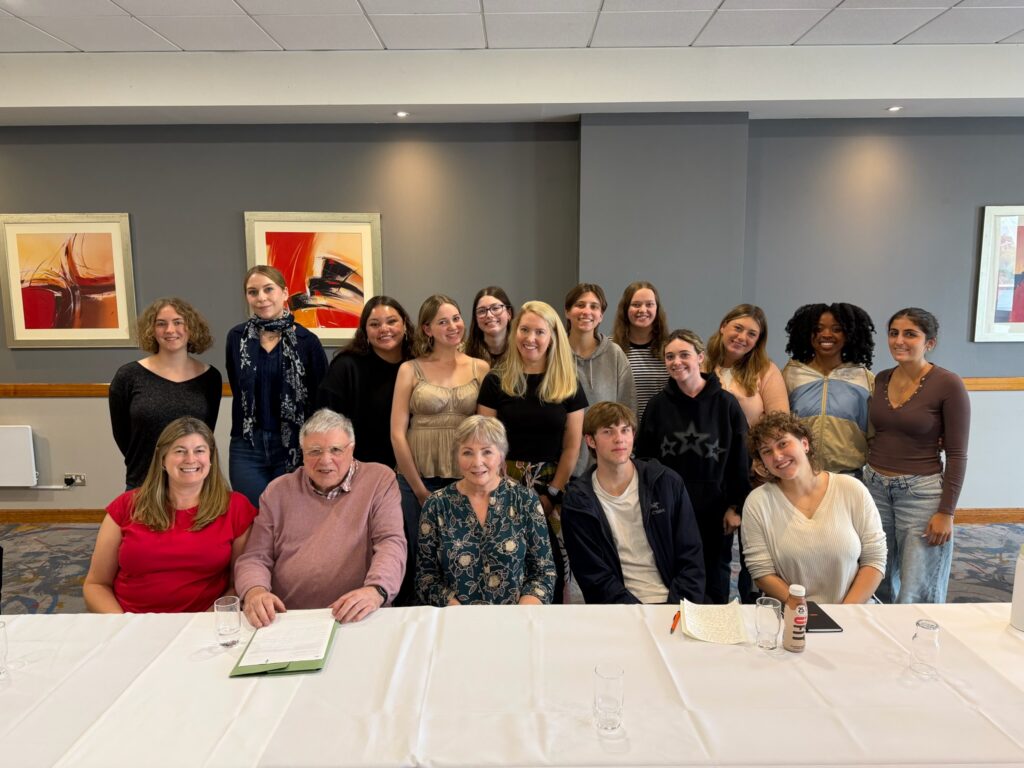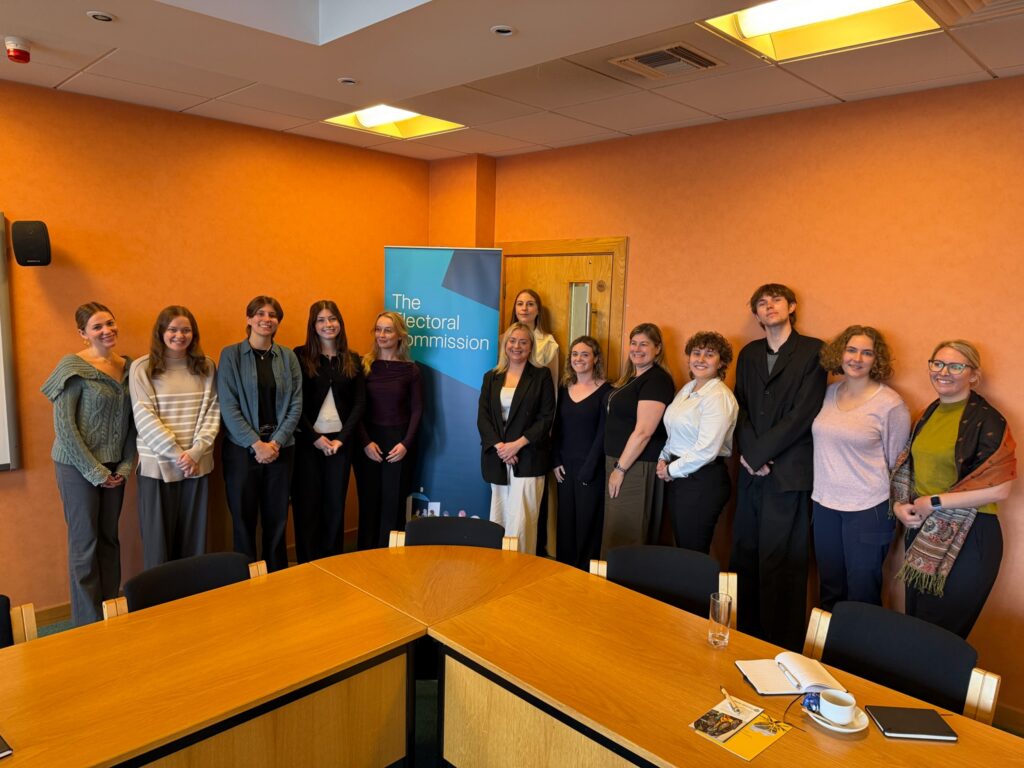
Looking back on this trip to Northern Ireland, I can honestly say it changed the way I think about peace, conflict, and the role that communication plays in shaping society. Before coming on this trip, I mostly viewed peace as simply the absence of violence. After visiting Belfast, Derry, and the different organizations we met with, I realized that peace is much more complicated than that. A place can appear peaceful on the surface while still carrying the emotional, social, and political effects of conflict. Seeing this firsthand made many of the concepts we discussed in class feel real rather than just theoretical.
One of the biggest academic highlights for me was visiting the peace walls. I expected them to represent peace, but instead I found them confusing and even contradictory. The walls were originally built to reduce violence, yet they still physically separate communities decades after the Good Friday Agreement. Learning that many residents still want the walls to remain because they make them feel safer showed me how deeply fear can continue long after active conflict ends. That experience completely changed my understanding of peacebuilding. I realized that ending violence does not automatically eliminate mistrust or trauma.
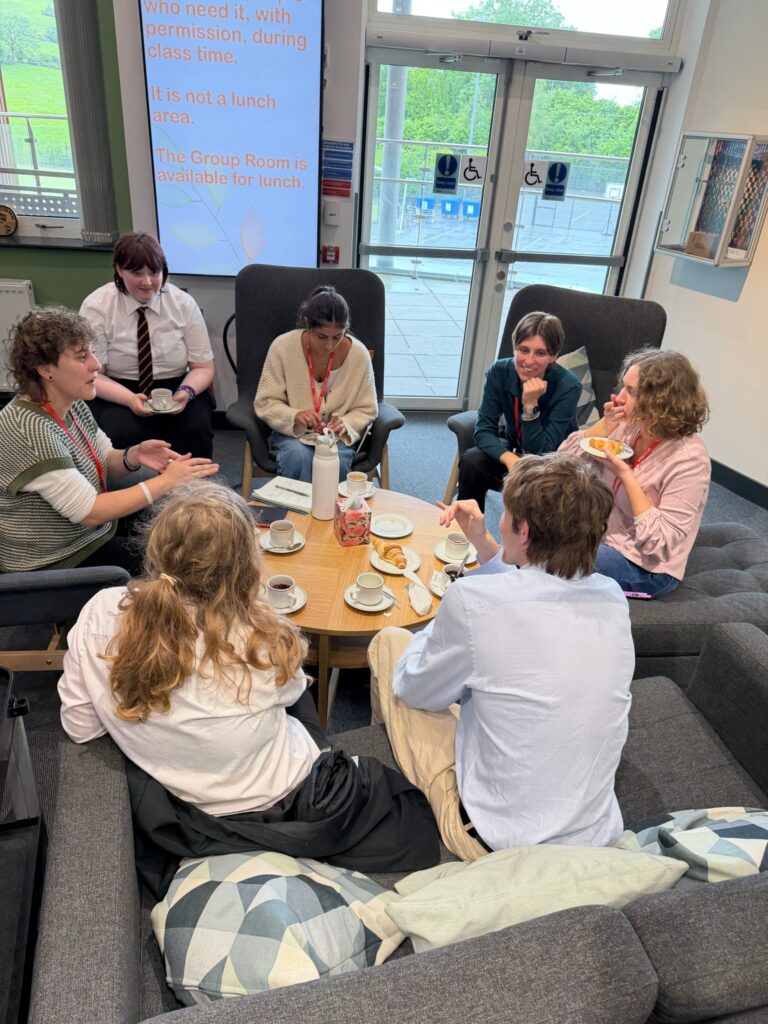
Another experience that stood out to me was visiting integrated schools. I found myself thinking about the students more than anything else. Some students chose to attend these schools, while others were there because their parents wanted them to be. It made me wonder whether reconciliation is something people genuinely choose for themselves or something they gradually learn through their environment. Watching students from different backgrounds learn together gave me hope, but it also showed me that changing relationships between communities is a slow process that requires patience and consistent effort.
The visit to Corrymeela was another highlight because it demonstrated what intentional peacebuilding looks like. Unlike the peace walls, which separate communities, Corrymeela creates opportunities for dialogue and understanding. I appreciated that it was built as a neutral space where people from different backgrounds could come together with mutual respect. Before visiting, I assumed reconciliation happened mainly through political agreements, but Corrymeela showed me that lasting peace depends on everyday conversations, listening, and relationship-building between ordinary people.
The Free Derry Museum was probably the most emotional experience of the trip. Seeing photographs, videos, and personal stories made the history of the Troubles feel much more real than simply reading about it. It reminded me that historical events are not just dates in a textbook, they are experiences that continue to affect families and communities for generations. That visit helped me better understand the concept of intergenerational trauma and how memory continues to shape identity long after violence has ended.
As a Biology major, I initially questioned how a Peace Studies course would relate to my future career. By the end of the trip, I realized that medicine and healthcare are about much more than treating physical illness. Patients’ experiences are influenced by their families, communities, culture, and past trauma. Understanding those factors can make someone a more compassionate healthcare provider. Whether I eventually become a physician or pursue another healthcare profession, I know I will care for people whose lives have been shaped by experiences very different from my own. This course reminded me that listening carefully, respecting different perspectives, and understanding a person’s background are just as important as scientific knowledge.
One of my biggest personal challenges during the trip was processing everything we were learning while also reflecting on my own reactions. Many of the sites were emotionally heavy, especially hearing personal stories from people who had lived through the conflict. I found myself thinking about how easily division can become normalized within a society and how difficult rebuilding trust can be. At the same time, I was encouraged by the people and organizations dedicated to creating a more peaceful future. That balance between hope and sadness was something I did not expect before traveling.
Reading through my own daily reflections and those of my classmates, I noticed that many of us experienced similar moments of surprise, curiosity, and empathy, even though we often focused on different aspects of each visit. Seeing everyone interpret the same experiences differently reminded me that perspective plays a huge role in communication and conflict resolution. There is rarely only one way to understand a place or a story.
Overall, this trip challenged many of my assumptions and broadened both my academic and personal perspective. It reinforced that peace is not simply the absence of conflict but an ongoing process that requires communication, empathy, and intentional effort. It also reminded me that understanding people’s lived experiences is valuable regardless of the career path I pursue. This experience will stay with me long after this course because it changed how I think about conflict, healing, and the responsibility we all have to better understand one another.