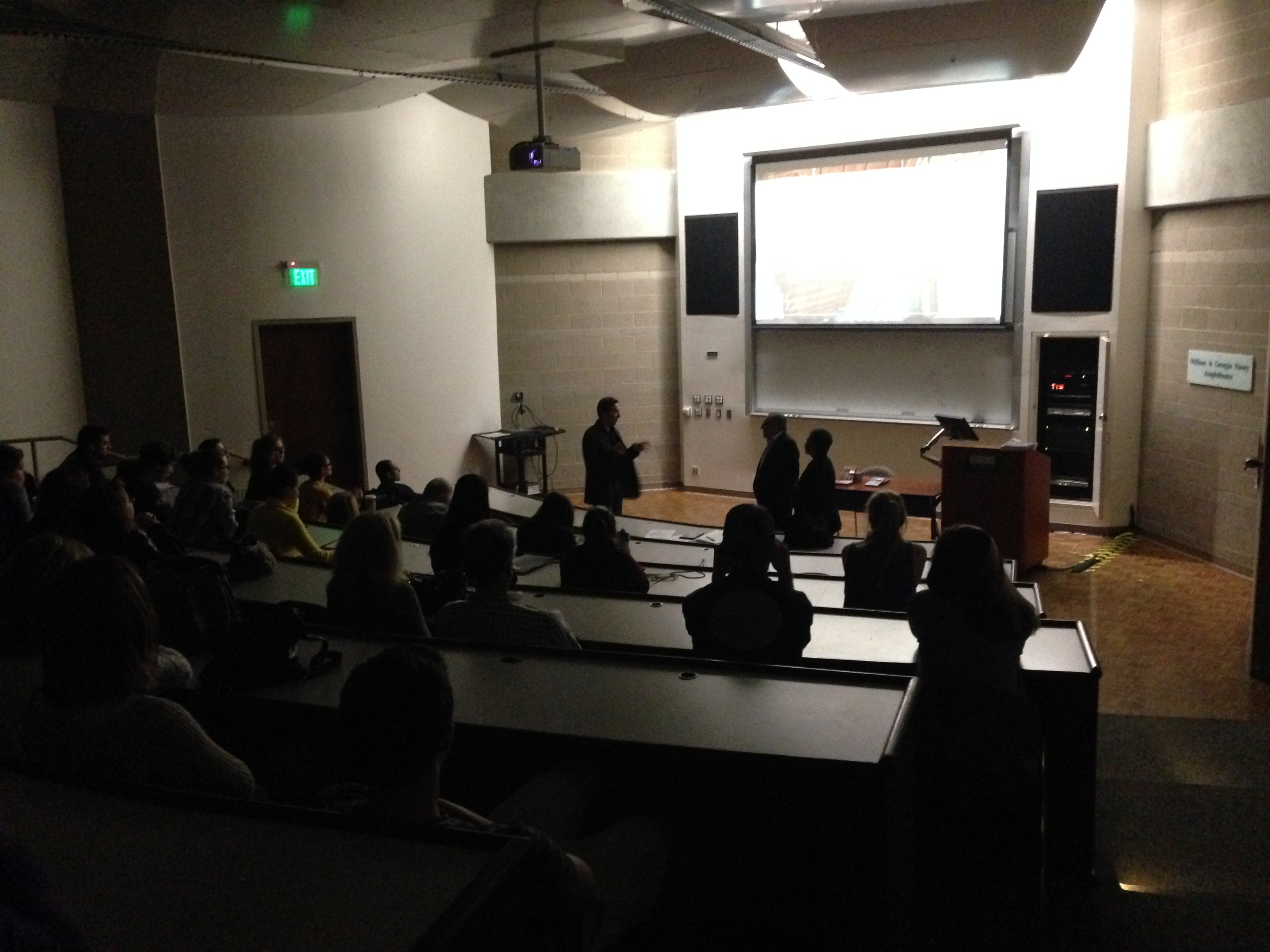
A conversation with Gianfranco Norelli and Suma Kurien after the screening of Finding the Mother Lode, a new documentary on Italian-American history in California.
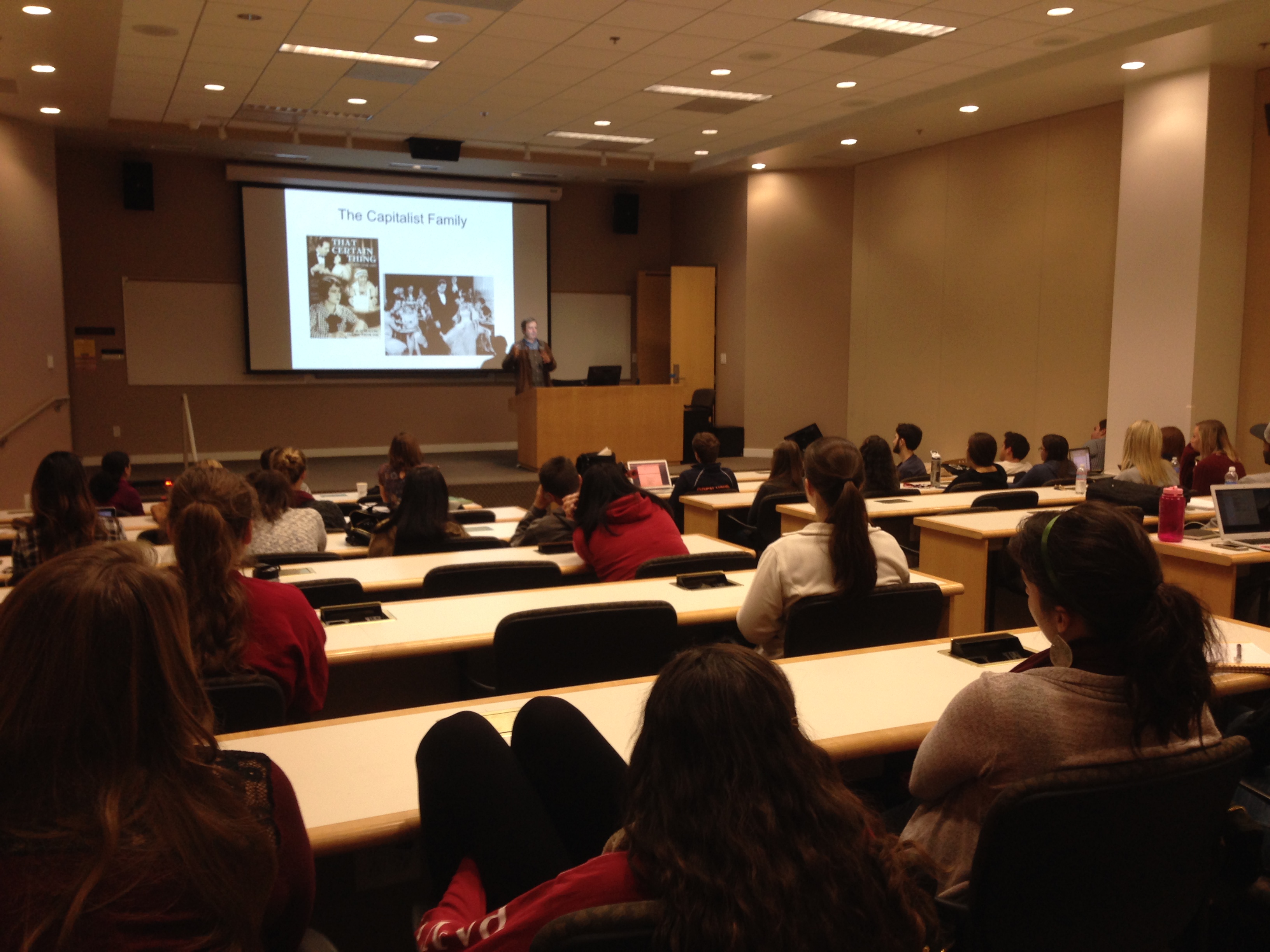
Students from Italian and Film Studies learn about the complexity of Frank Capra’s films during professor Vito Zagarrio’s lecture
In his lecture “The Un-Happy Ending. Re-viewing Capra, the Italian-American”, Dr. Zagarrio looked beyond the established concerns of Capra’s interpreters. He illuminated aspects of Capra’s works that were, so to speak, hiding in plain sight. Zagarrio reached back in time before the standard canon of Capra scholarship to dig out neglected works made before the director’s Academy Award-winning 1934 film It Happened One Night. In important early films such as Ladies of Leisure (1930) and Forbidden (1932), he discovered a despair deeper than humiliation and more permanent than the political machinations in which Smith and Doe found themselves enmeshed.
Vito Zagarrio (Università degli Studi Roma Tre) is an Italian film director and scholar. He is the author of numerous volumes on the history of Italian and American cinema.
The lecture was presented Monday November 3 by Wilkinson College of Humanities and Social Sciences and the Italian Studies Program in collaboration with The Dodge College of Film and Media Arts.
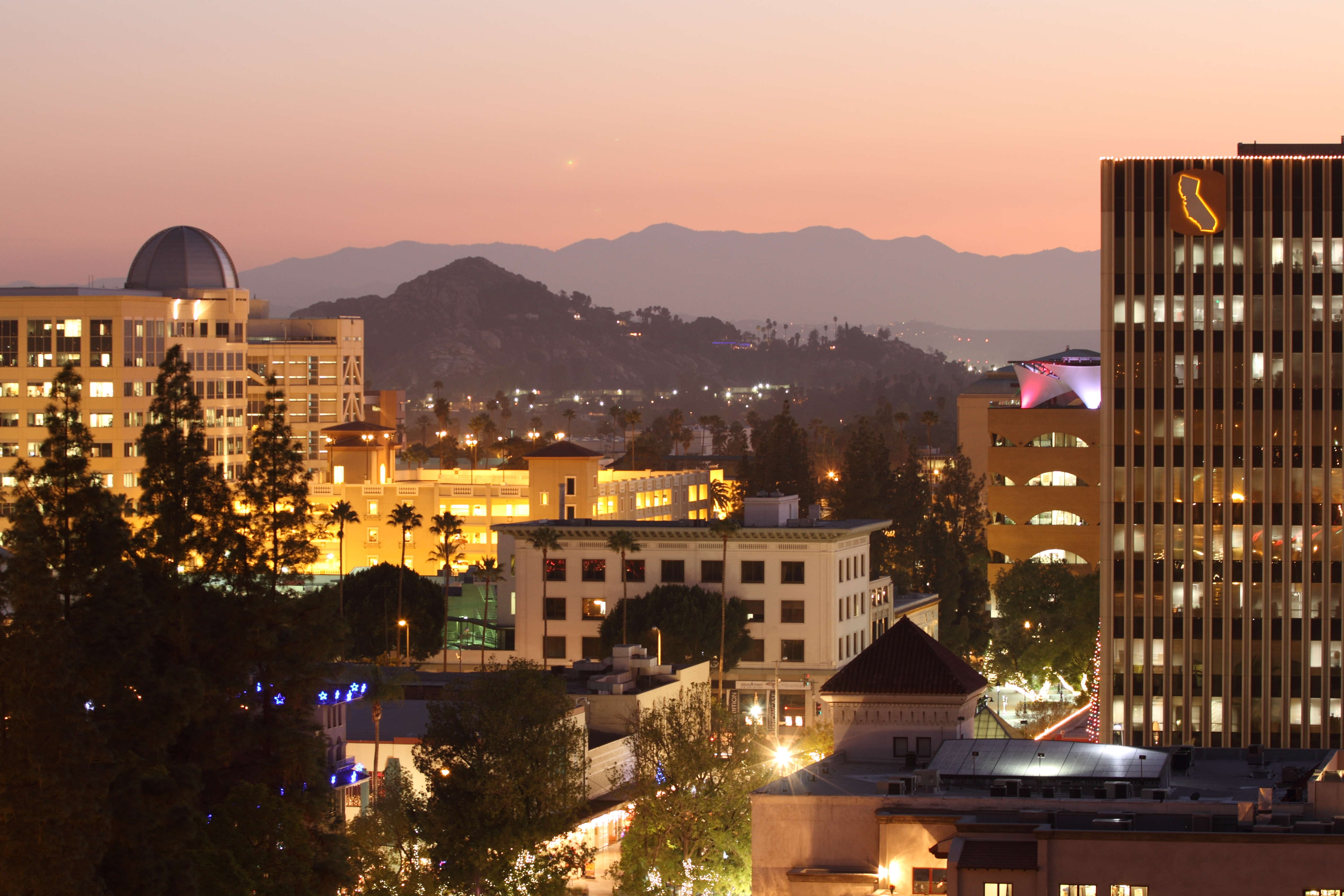
Dr. Pacchioni presents a paper at the Pacific Ancient and Modern Language Association Annual Conference in Riverside, California
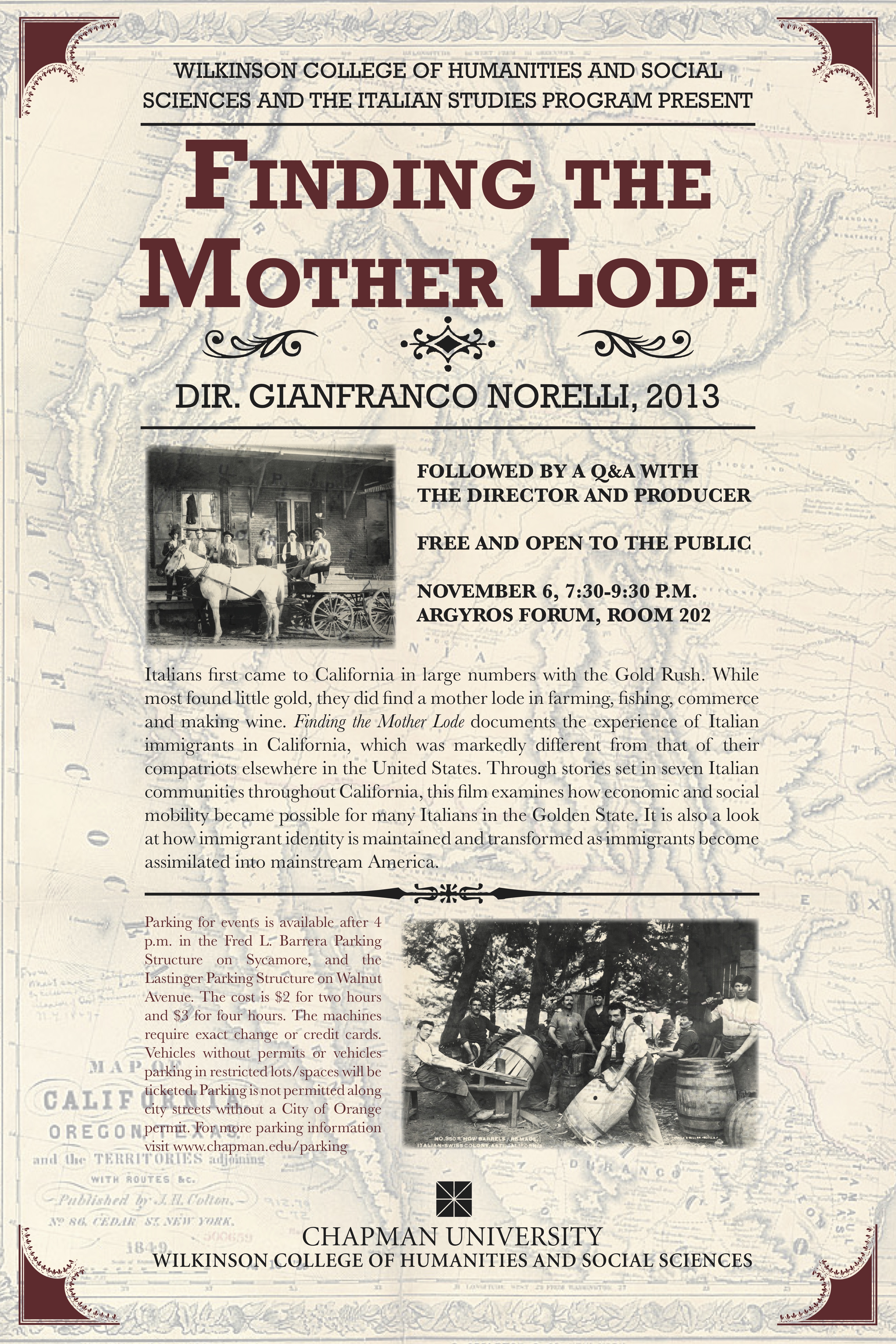
The Italians of California: screening of Finding the Mother Lode with director Gianfranco Norelli and producer Suma Kurien, November 6
L’Italo-Americano Spotlights Chapman University’s Italian Studies Program
READ THE ARTICLE
L’Italo-Americano is a bilingual, weekly newspaper serving the Italian-American community throughout the United States. Established in 1908, this weekly periodical is the oldest Italian-American newspaper in the United States with a mission to promote, and most importantly, preserve Italian culture and heritage by reporting in both Italian and English on subjects such as arts and culture, literature, education, history, business, sciences, sports, lifestyle to name a few.
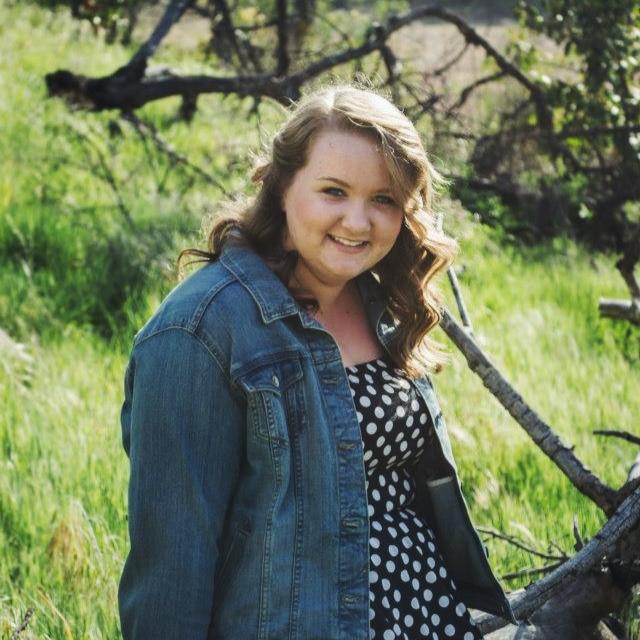
Student Danielle James receives the Marisa Antonini Award
The Marisa Antonini award has been established to honor passion for the Italian language, culture, or art. Danielle is planning to develop a partnership between her sorority and a local elementary school, with the aim of exposing the children to Italian authors and other aspects of Italian culture. Danielle writes about how her schooling experience has influenced her relationship with Italy:
“When I came to Chapman, I chose to take Italian for my language requirement to both challenge myself academically and to learn more about my heritage. My great-grandmother on my mother’s side was from Castiglione di Carovilli, and I grew up learning family recipes that had been passed down from generation to generation, such as my Nana’s pizzelles, but that was the extent of my knowledge of my Italian heritage. After taking a trip to Italy in ninth grade, I became fascinated with the culture and language, but unfortunately, Italian wasn’t offered at my high school. When I discovered that Chapman offered Italian, I jumped at the new learning opportunity. The extra-curricular opportunities offered through both the Italian department and the Italian Club, in addition to the Italian classes I have taken, have really allowed me to immerse myself in the Italian culture, and my time in the program has sparked my interest to study abroad on the Semester at Sea next fall, which is set to stop at several cities in Italy.”
In the photograph Danielle James.
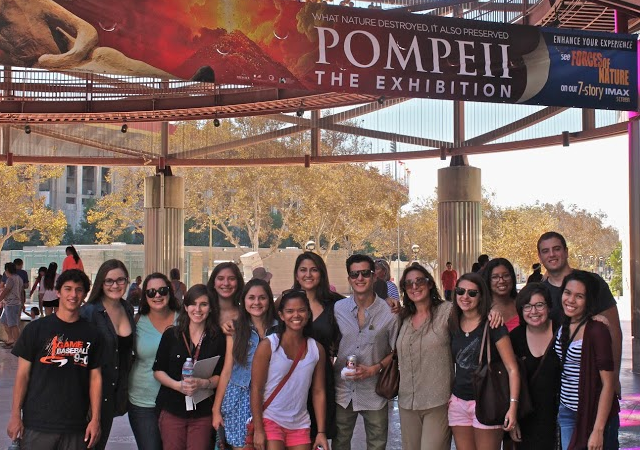
Chapman Italian Club visits the Pompeii Exhibition at the California Science Museum in Los Angeles
Student Melissa Marino reports from the recent day trip organized by Chapman Italian Club to the Pompeii Exhibition at the California Science Museum in Los Angeles.
“The exhibit was very interactive and thorough, covering all aspects of ancient life near Mt. Vesuvius. It was fascinating to me how much information anthropologists have been able to gather on a city that was destroyed nearly 2000 years ago. Walking through guided corridors, viewers are able to see intricate marble carvings of table legs, fountains, and sections of floor tiles, all recovered in virtually the same condition they were originally used. Citizens of Pompeii had bathhouses, gardens, frescos, and some even had temperature-controlled running water. Even small items, like counterweights and jewelry, were preserved due to the sudden and violent way in which the town was buried. Ancient health care, theater, sex life, homes, and status are all covered as you travel through the labyrinth of artifacts, and an interactive video demonstrates how it would have been to be in Pompeii on the day of the Mt. Vesuvius eruption. Accompanying the exhibit was an hour-long IMAX movie talking about the deadly forms of nature (including volcanoes) and the effects they have on current populations around the world. Pompeii, the Exhibit was overall extremely interesting and well worth the trip into LA.”
In the photograph students of the club and professor Francesca Paduano at the California Science Museum.
Rediscovering History through Imagination: A Conversation with Susanna Nicchiarelli on Contemporary Italian Cinema
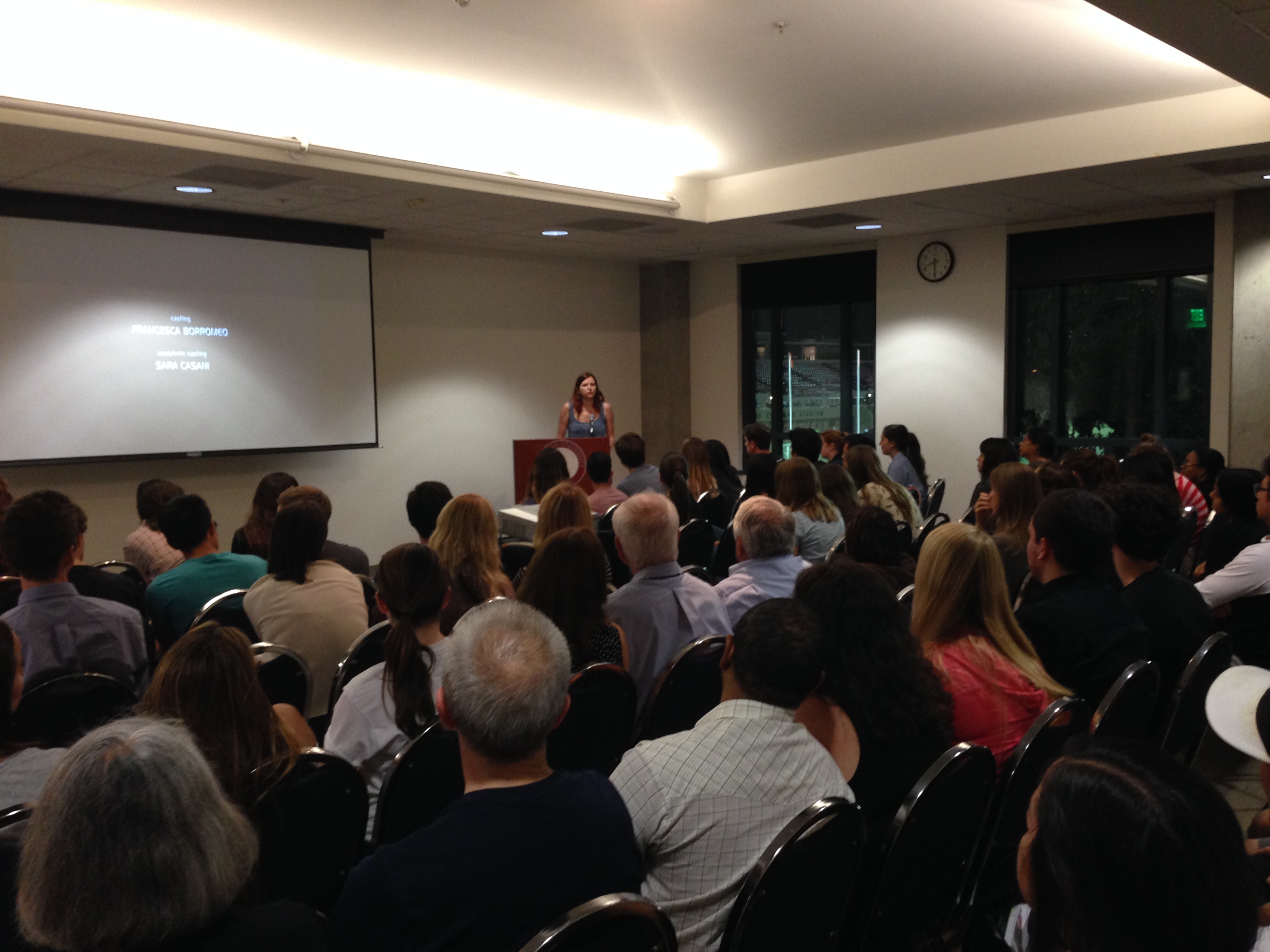
Susanna Nicchiarelli spoke to students from Wilkinson and Dodge in Dr. Pacchioni’s class “Italian Cinema: Politics, Art, and Industry” on the creative use of archival footage and the power of visual poetry in contemporary Italian cinema. Later in the evening she presented her second feature film, The Discovery of Dawn. In the photograph below Ms. Nicchiarelli answers questions from students and members of the community during the Q&A after the screening. 
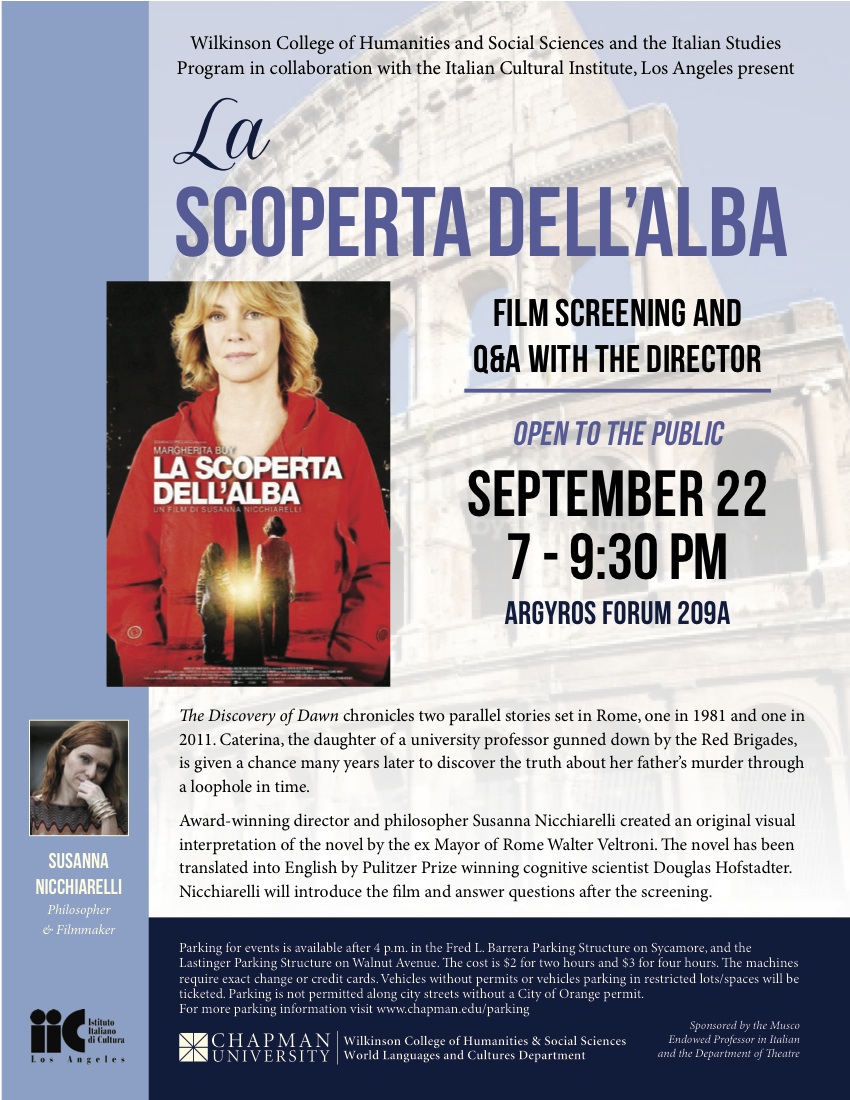
Screening of The Discovery of Dawn with the director Susanna Nicchiarelli. Sept. 22.
present
The Discovery of Dawn / La scoperta dell’alba (dir. Susanna Nicchiarelli, 2012)
Followed by a Q&A with the Director.
In Italian with English subtitles
September 22, 7:00-9:30pm
Argyros Forum 209A
The Discovery of Dawn chronicles two parallel stories set in Rome, one in 1981 and one in 2011. Caterina, the daughter of an university professor gunned down by the Red Brigades, is given a chance many years later to discover the truth about her father’s murder through a loop hole in time. Award-winning director and philosopher Susanna Nicchiarelli created an original visual interpretation of the novel by the ex Mayor of Rome Walter Veltroni. The novel has been translated into English by Pulitzer Prize winning cognitive scientist Douglas Hofstadter. Nicchiarelli will introduce the film and answer questions after the screening.
Parking for events is available after 4 p.m. in the Fred L. Barrera Parking Structure on Sycamore, and the Lastinger Parking Structure on Walnut Avenue. The cost is $2 for two hours and $3 for four hours. The machines require exact change or credit cards. Vehicles without permits or vehicles parking in restricted lots/spaces will be ticketed. Parking is not permitted along city streets without a City of Orange permit. For more parking information visit www.chapman.edu/parking